
How Individual Therapy Helps Process Winter’s Emotional Weight Before Spring
Understanding Winter’s Unique Emotional Challenges
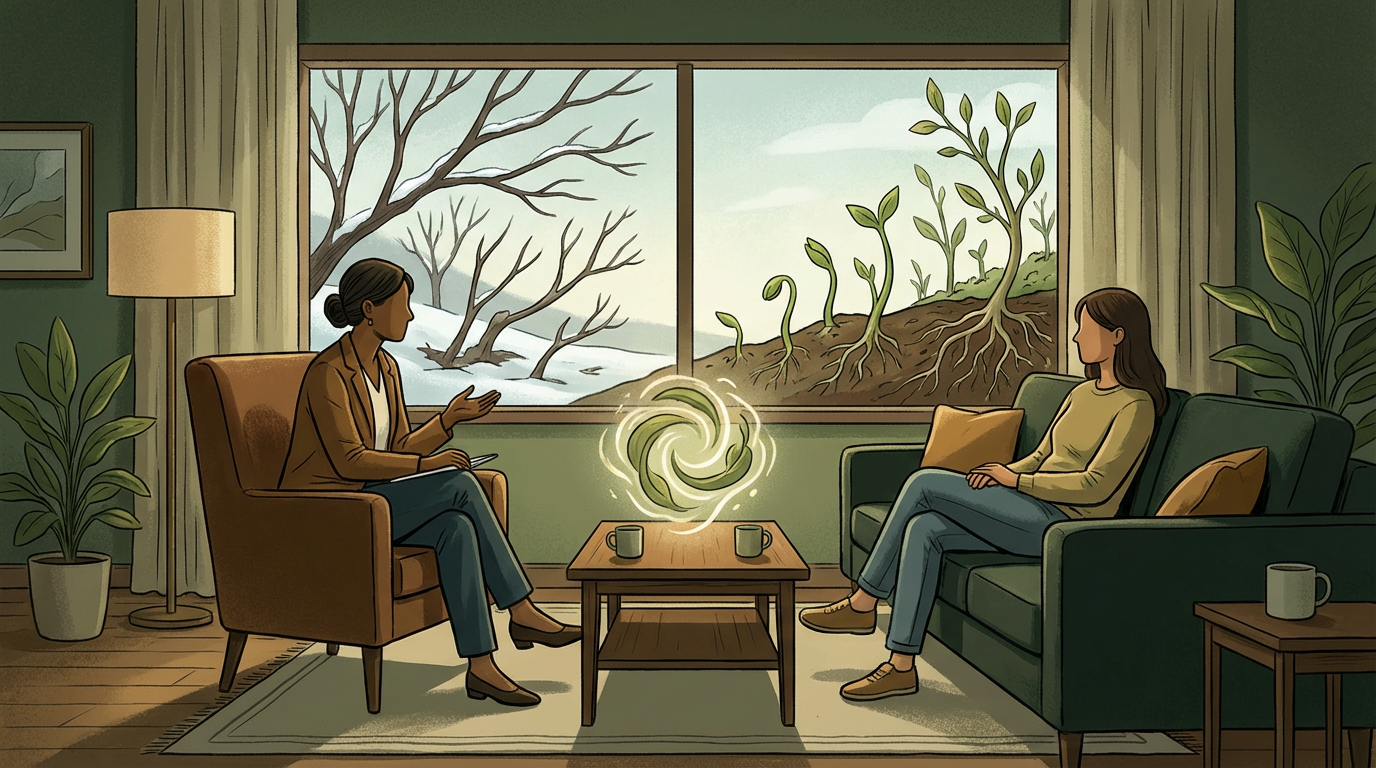
The transition into the colder, darker months often brings more than just a drop in temperature for residents here in Carlsbad. It’s a time of year when many people find themselves feeling a sudden, heavy lethargy that doesn’t seem to lift with an extra cup of coffee. Your internal rhythm might feel out of sync, making daily tasks seem like mountain climbs. While the rest of the world suggests you simply “wait it out” until the spring thaw, the reality of emotional weight during this season is far more complex than just missing the sun.
Acknowledge that what you are feeling is a valid response to your environment, not a personal failure of willpower. People often mistake this seasonal shift for laziness or a lack of motivation, but your brain and body are reacting to a genuine physical and environmental shift. Understanding these dynamics is the first step toward reclaiming your sense of self before the flowers even begin to bloom.
Why Winter Amplifies Existing Mental Health Struggles
Winter doesn’t usually create new problems out of thin air, but it certainly has a way of turning up the volume on the ones you already have. If you’ve been managing a baseline of anxiety or low-level sadness, the shorter days can act like a pressure cooker. The reduction in sunlight and the change in pace often strip away the distractions we use to cope during the busier, brighter summer months.
When the external world slows down, your internal world can feel much louder and more intrusive. This is where couples & individual provides a structured space to look at those amplified feelings without being overwhelmed by them. For those who already feel a disconnect between different parts of their personality, the quiet of winter can make those internal conflicts feel particularly sharp and unavoidable.
If you find that your internal dialogue has become more critical or fearful lately, exploring what is ifs might offer a helpful lens for viewing these seasonal shifts. Rather than seeing your winter “slump” as a flaw, you can begin to see it as a part of you trying to protect your energy in a high-stress world. This perspective shift is often the catalyst for deeper healing during individual therapy sessions.
The winter season also brings a unique set of social pressures, from holiday family dynamics to the “new year, new me” expectations that can feel crushing if you’re struggling to just get out of bed. These external demands clash with your body’s biological desire to hibernate, creating a friction that wears down your emotional resilience. Counseling helps you sort through which expectations are yours and which have been placed upon you by others.
The Science Behind Seasonal Mood Changes and Brain Chemistry
There is a very real, biological reason why your mood dips when the sun goes down at 5:00 PM. Your brain relies on sunlight to regulate a cocktail of chemicals that dictate how you feel, sleep, and eat. When that light disappears, your production of serotonin, the “feel-good” hormone, often takes a significant hit. This isn’t just “all in your head”; it is a systemic reaction occurring in your nervous system.
At the same time, your body might start overproducing melatonin, the hormone responsible for sleep. This imbalance is why you might feel like a literal “zombie” during the day, struggling to focus on work or engage with your family. Your circadian rhythm, that internal clock telling you when to be awake and when to rest, gets thrown into a state of total confusion by the long nights of winter.
Beyond serotonin and melatonin, vitamin D levels typically plummet during the winter months, even in coastal areas like California. Vitamin D plays a massive role in brain health, and a deficiency can mimic the symptoms of clinical depression quite closely. When these chemical shifts occur, your ability to handle stress diminishes, making even small inconveniences feel like major catastrophes.
Understanding the how ifs therapy can be a useful tool here as well. By recognizing that your “anxious part” is reacting to these physiological changes, you can approach your symptoms with curiosity rather than judgment. Science shows us that while we can’t control the sun, we can certainly use specialized therapeutic approaches to manage how our brains react to the darkness.
Recognizing When Winter Blues Become Something More Serious
It’s normal to feel a bit more tired or “blah” when it’s raining outside, but there is a clear line between the standard winter blues and something more clinical. If you find that your low mood is preventing you from showing up at work, or if you’ve stopped answering texts from people you care about, it’s time to pay closer attention. Proactive counseling is about catching these patterns before they become a deeply rooted habits.
Symptoms to watch for include:
- A persistent feeling of hopelessness or worthlessness that doesn’t lift even on sunny days.
- Significant changes in appetite, particularly a heavy craving for carbohydrates and sugar.
- Hypersomnia, which is the act of sleeping much more than usual but still feeling exhausted.
- A loss of interest in hobbies or activities that usually bring you a sense of joy.
If these behaviors persist for more than a few weeks, it may indicate Seasonal Affective Disorder (SAD). This is a specific type of depression that follows a seasonal pattern, but it requires professional support to manage effectively. Waiting for spring to “fix” the problem often means losing several months of your life to a fog that could have been cleared with the right therapeutic tools.
Early intervention in Carlsbad at New Growth Counseling allows you to build a toolkit of coping strategies before the weight becomes unbearable. It’s much easier to maintain your mental health than it is to rebuild it from scratch once you’ve reached a point of total burnout. (And trust us, your future springtime self will thank you for doing the work now.)
How Isolation and Reduced Daylight Impact Emotional Regulation
Humans are inherently social creatures, yet winter tends to drive us indoors and away from our communities. This physical isolation often leads to emotional isolation, where you’re left alone with your most difficult thoughts. Without the natural “check-ins” that happen in more active seasons, it’s easy to spiral into negative thinking patterns without anyone there to pull you back to reality.
Reduced daylight also limits our opportunities for physical movement and outdoor recreation, both of which are critical for emotional regulation. When you aren’t moving your body or seeing other people, your nervous system can get stuck in a “freeze” state. You might find yourself scrolling on your phone for hours, not because you’re having fun, but because your brain lacks the stimulation it needs to engage with the world.
This lack of environmental stimulation makes it harder to regulate your emotions. You might find yourself snapping at your partner over something small or crying at a commercial that wouldn’t normally affect you. These are signs that your emotional bucket is full and your usual methods of emptying it—like a walk on the beach or dinner with friends—have been restricted by the season.
Individual therapy acts as a vital bridge during this time, providing the social connection and professional guidance needed to keep your emotional regulation on track. It offers a dedicated hour where you are truly seen and heard, breaking the cycle of winter isolation. By addressing these challenges head-on, you ensure that you don’t just “survive” the winter, but actually grow through it.
The Role of Individual Therapy in Seasonal Mental Health
Why One-on-One Support Matters During Dark Months
Winter often brings a unique kind of isolation that can make existing emotional struggles feel much heavier. When the sun sets early in Carlsbad, the physical darkness can mirror a growing sense of internal gloom. Private sessions provide a consistent anchor during these weeks when your social energy might be at its lowest point.
Having a dedicated hour each week ensures that your mental health doesn’t get pushed to the back burner while you focus on work or family obligations. Your therapist acts as a steady witness to your experience, which prevents the “hibernation” effect from turning into total emotional withdrawal. It’s about having a professional who specializes in winter depression therapy and understands the biological and psychological shifts occurring right now.
Individual sessions allow for a level of depth that group settings or casual conversations with friends simply cannot reach. You don’t have to worry about being a burden or “bringing the mood down” when you’re in a clinical setting. Instead, you can be entirely honest about the fatigue or lack of motivation you’re feeling without any fear of judgment.
This specialized focus is why many people seek out couples & individual to help manage the pressure that seasonal changes place on their closest relationships. When you take care of your own internal world, you’re better equipped to show up for others. Personalized support ensures you aren’t just waiting for spring to arrive but are actually working through the heaviness in real-time.
Creating a Safe Space to Process Seasonal Emotional Patterns
The colder months often act as a magnifying glass for patterns we usually ignore when life is busy and bright. You might notice that certain thoughts become more intrusive or that your self-critique gets louder as the days get shorter. Therapy provides a controlled environment to look at these patterns without being overwhelmed by them.
In a clinical setting, your therapist helps you identify if your current state is a temporary dip or a deeper cycle that repeats every year. Understanding these rhythms is a major part of seasonal affective counseling and long-term wellness. We look at how your environment, sleep, and activity levels are impacting your mood day-to-day.
For many, winter is also a time when the absence of loved ones feels more acute, leading to a need for specific support. If you are struggling with memories of what used to be, learning healing from grief can be a transformative part of your winter sessions. Processing these emotions in a safe space prevents them from freezing into permanent bitterness.
By creating this dedicated space, you give yourself permission to feel the full range of your emotions. You don’t have to put on a “brave face” for the world when you’re inside the therapist’s office. This authenticity is the first step toward actual healing rather than just temporary survival until the weather changes.
Building Coping Strategies Tailored to Your Winter Experience
One of the primary individual therapy benefits is the move away from “one-size-fits-all” advice that you find online. While generic tips like using a light box or taking vitamin D are helpful, they don’t address your specific psychological triggers. Your therapist works with you to build a toolkit that actually fits your lifestyle in Carlsbad.
We might look at behavioral activation, which involves finding small, manageable ways to stay engaged with life even when your energy is low. This might mean shifting your schedule or finding new ways to connect with your community that don’t feel draining. The goal is to create sustainable habits that prevent the winter slump from becoming a deep valley.
If your seasonal struggles include a rise in panic or physical tension, exploring can emdr therapy could be a useful discussion to have with your provider. Specialized techniques can help regulate your nervous system when the grey skies make you feel trapped or uneasy. Every strategy we develop is tested and refined based on how you actually feel between appointments.
These strategies also include setting boundaries with yourself and others. Winter is a prime time for over-commitment or, conversely, complete social avoidance. Learning how to balance your needs with external expectations is a skill that will serve you long after the spring flowers begin to bloom.
How Therapy Addresses Root Causes Beyond Seasonal Symptoms
While the weather might be the catalyst for your current feelings, it is rarely the only factor at play. Individual therapy looks past the surface-level “winter blues” to see what else might be lingering in the shadows. Often, the stillness of winter allows older, unresolved issues to float back to the surface because there are fewer distractions.
Addressing these root causes is essential for preventing the same emotional weight from returning next year. We explore your history, your belief systems, and your core vulnerabilities to understand why the seasonal shift hits you specifically hard. This work is about building emotional resilience that lasts through every season of the year.
For those who feel a sense of constant dread or “waiting for the other shoe to drop,” seeking expert therapy can provide the clarity needed to separate seasonal stress from chronic anxiety. It helps you distinguish between a temporary lack of sunlight and a deeper need for cognitive restructuring or emotional processing. You deserve to understand the “why” behind your feelings.
By the time spring arrives, the work you do now ensures you aren’t just starting from zero. You’ll have deeper self-awareness and a stronger psychological foundation. Therapy isn’t just about getting through the dark; it’s about uncovering the parts of yourself that are ready to grow once the light returns. This proactive approach turns a difficult season into a period of profound personal insight.
Therapeutic Approaches That Work Best for Winter Emotional Processing
Cognitive Behavioral Therapy for Seasonal Thought Patterns
Winter often brings a specific type of mental heaviness that influences how you perceive your daily life. When the days are short in Carlsbad, it is common to fall into “all-or-nothing” thinking styles where a low-energy afternoon feels like a total failure of productivity. Cognitive Behavioral Therapy (CBT) helps you identify these automatic thoughts before they spiral into a deeper sense of hopelessness.
A professional counselor helps you look at the evidence for your negative beliefs during these darker months. You might feel like you are becoming lazy, but CBT helps you understand that your body is simply responding to less sunlight and lower vitamin D levels. By shifting your internal dialogue, you can find a more balanced perspective that allows for rest without the crushing weight of guilt.
Behavioral activation is a core part of this approach that works particularly well for winter depression therapy. Instead of waiting for the motivation to strike, you and your therapist create a plan for small, achievable actions. These tiny wins help break the cycle of lethargy that often defines the colder months in Southern California. Have you noticed how your mood shifts when you change one small habit in your morning routine?
Individual therapy benefits extend beyond just feeling better in the moment. It teaches you to track your moods over time so you can predict when those seasonal thoughts might start to creep back in. By identifying your unique triggers in January or February, you can prepare a mental health toolkit that keeps you steady until the spring thaw arrives.
EMDR and Processing Trauma That Surfaces in Darker Months
Sometimes the quiet of winter isn’t peaceful, it’s actually loud with echoes of past experiences. Many people find that physical stillness allows old traumas or unresolved grief to bubble up to the surface. Eye Movement Desensitization and Reprocessing (EMDR) is a specialized tool used in individual therapy sessions to help the brain move past these “stuck” points.
Winter can act as a bridge to previous difficult times, especially if your hardest life events happened during the holiday season or during long periods of isolation. Because EMDR focuses on how the body holds onto distress, it allows you to process these memories without having to talk through every painful detail. You might find that the physical tension you feel in your chest every December finally begins to soften.
Many clients wonder can emdr therapy when the sadness feels purely seasonal. The answer lies in how our brains categorize physical safety and emotional warmth. If the cold or the darkness triggers a subconscious sense of unease, EMDR helps retrain your nervous system to stay grounded in the present moment.
Seeking help through what is emdr provides a roadmap for those who feel their winter blues go deeper than just a lack of sun. It is a powerful way to clear out the emotional clutter that has been piling up for years. This clearing process makes room for new growth and a lighter heart as the days finally begin to lengthen.
Internal Family Systems for Managing Conflicting Winter Emotions
It is perfectly normal to have conflicting feelings about this time of year. You might have a part of you that loves the cozy vibes of a Carlsbad evening, while another part feels deeply lonely and desperate for social connection. Internal Family Systems (IFS) is a model that helps you understand these different “parts” of your personality without judgment or shame.
When you engage in seasonal affective counseling, you might discover a “protector” part that tries to keep you safe by making you stay in bed and avoid social pressure. While this part might be causing problems now, it usually has a positive intention. IFS allows you to listen to these parts of yourself and negotiate a healthier way to find comfort during the winter months.
This approach moves away from the idea that there is something “wrong” with you that needs to be fixed. Instead, it looks at your mind as a complex system that is doing its best to cope with environmental stressors. When you stop fighting against your own emotions, the internal friction that causes so much exhaustion starts to disappear.
Working with a therapist in a couples & individual setting allows you to explore these internal dynamics safely. You learn to lead from a place of “Self”—a calm, courageous center that can handle the winter chill without becoming overwhelmed. This self-leadership is the key to maintaining emotional stability regardless of the weather outside.
Emotionally Focused Therapy Techniques for Self-Compassion
While often associated with couples, Emotionally Focused Therapy (EFT) is deeply effective for individuals who struggle with their inner emotional bond. Winter is a season where the critical voice inside often becomes the loudest. EFT helps you identify the negative cycles you fall into when you are feeling vulnerable, tired, or emotionally stretched thin.
The goal is to move toward a more secure attachment with yourself. If you are constantly berating yourself for your “lack of discipline” during the winter, you are creating an internal environment of fear. EFT techniques teach you how to provide yourself with the same empathy you would offer a loved one who is struggling with the gloom of February.
Individual therapy helps you vocalize these hidden feelings in a way that feels safe and structured. You begin to understand that your need for rest isn’t a flaw, but a fundamental human requirement. This shift in perspective is often what makes the difference between a winter spent in misery and one spent in a state of restorative hibernation.
By practicing these techniques, you build a foundation of self-compassion that lasts well beyond the spring equinox. You learn that your emotions are not enemies to be conquered, but signals that help you understand what you need to thrive. Isn’t it time you started listening to what your heart is actually asking for this season?
Preparing Your Mind and Body for Spring’s Arrival
Processing Grief and Loss Before New Growth Begins
Winter often acts as a mirror for our internal state, reflecting back the parts of our lives that have ended or changed. For many people in Carlsbad, the shorter days bring a sense of mourning that goes beyond just the weather. You might find that couples & individual provides the necessary space to sit with these heavy feelings without judgment.
Grief is not a linear path, and it rarely stays confined to the loss of a loved person. It can involve mourning a former version of yourself, a career shift, or even the loss of health. When these feelings surface during the darker months, they can feel particularly intense. Professional support helps you understand that these online therapy sessions are a safe container for the messy work of healing.
Rather than rushing to feel “better” for spring, we focus on the normal process of letting go. This deep emotional work ensures that you aren’t carrying old weights into a new season. Healthy mourning requires time and a professional who can help you identify complicated patterns that might keep you stuck in the past. It is about honoring what was so you can eventually embrace what is to come.
By addressing these losses now, you prevent them from becoming a permanent shadow on your mental health. We use specific approaches to help you process the physical and mental toll of grief. This isn’t just about “getting over it” but rather integrating the experience into your life in a way that allows for eventual growth. You deserve the chance to clear the emotional slate before the world begins to bloom again.
Developing Emotional Intelligence for Seasonal Transitions
Emotional intelligence is your ability to recognize and manage your own emotions while also understanding the feelings of others. During seasonal shifts, your internal barometer might feel a bit off. You may notice your patience thinning as the seasons change, or perhaps you feel a sudden surge of anxiety about upcoming social obligations. Individual therapy helps you decode these signals before they become overwhelming for you.
When you work with a counselor, you learn to name what you are feeling in the moment. Is it true winter depression or just a temporary dip in energy? Identifying anxiety therapy techniques can give you the upper hand when physical symptoms like chest tightness or restlessness start to creep in. High emotional intelligence means you can observe these feelings without letting them take the driver’s seat.
These skills are particularly useful when navigating family dynamics or professional pressure. Instead of reacting impulsively to stress, you learn to pause and assess your needs. This self-awareness acts as a buffer against the chaotic energy that sometimes accompanies the transition into spring. You start to see how your environment influences your mood and take proactive steps to maintain balance.
Developing this awareness requires practice and specialized guidance from a therapist who understands the nuances of mood fluctuations. It involves looking at your behaviors and asking if they serve your long-term goals. Once you have these tools, you can handle any seasonal change with a sense of calm and clarity. You become the expert on your own internal world, which is a powerful way to live.
Building Resilience Skills That Extend Beyond Winter
Resilience is often misunderstood as just “toughing it out,” but it is actually about your capacity to recover from difficulties. In our Carlsbad office, we focus on building a toolkit that works for you every day of the year. While winter depression therapy addresses immediate seasonal concerns, the resilience you build now stays with you long after the sun starts staying up later.
We look at the specific stressors that tend to knock you off balance. By creating a plan for these moments, you reduce the fear of the “down” times. Resilience is built through small, consistent actions that reinforce your ability to handle discomfort. This might include setting firmer boundaries with others or learning how to self-soothe when things feel like they are becoming too much to handle.
True resilience also means knowing when to ask for help. It is a sign of strength to recognize when your internal resources are running low. Using couples & individual allows you to fortify your mental defenses in a supportive environment. You learn that setbacks are a part of the human experience, not a personal failure that defines your worth.
These skills help you manage the prolonged stress that life often throws our way. Whether it is a sudden career change or a personal conflict, you will have a foundation of coping mechanisms to fall back on. You won’t just be surviving the winter; you will be preparing yourself to thrive in any season. This proactive approach to mental health is what leads to lasting change and a more stable daily life.
Creating Sustainable Mental Health Practices for Year-Round Wellness
The goal of any therapeutic intervention is to provide you with habits that stick. It is easy to search for help when things feel dire, but the real magic happens in the maintenance. We work together to create a lifestyle that supports your emotional well-being regardless of the date on the calendar. This involves looking at everything from your sleep hygiene to the way you talk to yourself.
Sustainability means finding routines that don’t feel like a chore. If a practice is too difficult to maintain, it won’t help you when life gets busy. We focus on realistic goals that fit into your actual schedule.
This might mean short morning check-ins with yourself or identifying key people in your social circle who provide genuine support. These small shifts lead to a much larger transformation over time.
We also address the “why” behind your behaviors. When you understand the root of a habit, it becomes much easier to change it. Professional counseling helps you peel back those layers in a way that self-help books often cannot.
You get personalized feedback and accountability that keeps you moving forward even when motivation fluctuates. It is about building a life that you don’t feel the need to constantly escape from.
Ultimately, wellness is a continuous process of adjustment and growth. By investing in your mental health now, you are ensuring that your future self has the stability needed to enjoy life. You’ll find that the weight of winter starts to lift as you gain confidence in your ability to care for yourself. Spring is coming, and with the right practices in place, you will be ready to step into the light with a renewed sense of purpose.
Taking the First Step: Finding the Right Therapeutic Support
Identifying When Professional Help Is Needed This Winter
Winter often brings a natural lull in energy, but there is a distinct line between seasonal sluggishness and a deeper emotional struggle. You might notice that your usual coping mechanisms, like a morning walk or an extra cup of coffee, are no longer lifting your mood. If you find yourself consistently avoiding social interactions or feeling a heavy sense of hopelessness, these are clear indicators that professional intervention is necessary.
It is important to watch for changes in your sleep patterns or appetite that seem to linger beyond a few days. When daily responsibilities feel like insurmountable mountains, seeking depression therapy can provide the structural support required to regain your footing. You should not wait until you reach a total breaking point before reaching out for a consultation.
Ask yourself if your emotional state is starting to interfere with your performance at work or your presence within your family. When your internal weather remains dark and stormy regardless of the actual forecast in Carlsbad, it is time to prioritize your mental wellbeing. Taking action early ensures that you have the tools to manage your symptoms before spring arrives.
What to Look for in a Therapist Who Understands Seasonal Challenges
Finding a provider who understands the specific nuances of seasonal affective counseling is vital for your success. You need someone who recognizes that your environment plays a significant role in your internal experience. A therapist who treats couples & individual clients should be able to articulate how light exposure and physical activity impact your neurobiology.
Look for a professional who offers specialized modalities that resonate with your specific needs and history. For many people, addressing the different “parts” of themselves that feel stuck in the cold is highly effective. Using ifs therapy allows you to explore the protective roles your symptoms might be playing during this difficult time.
A good fit also depends on the rapport you feel during your initial conversation. Do they listen without judgment? Do they offer a clear plan for your sessions? Since you will be discussing vulnerable topics, you must feel safe enough to share the unfiltered reality of your winter experience. Trusting your gut during the intake process is just as important as checking their credentials.
Preparing for Your First Individual Therapy Session
The first session can feel intimidating, but it is essentially a collaborative interview where you get to share your story. You don’t need to have a perfect narrative or a list of clinical symptoms ready. Simply showing up as you are is enough, even if you feel tired or uncertain about what to say first.
It helps to write down a few specific goals you want to achieve during your time together. Perhaps you want to stop feeling so irritable with your partner, or maybe you want to reclaim a sense of purpose that faded when the days got shorter. Having these objectives in mind gives your therapist a roadmap to help you navigate through the remaining winter months.
Be prepared to discuss your personal history and what has worked for you in the past. Your therapist will likely ask about your sleep, your support system in Carlsbad, and what a “bad day” looks like for you. Remember that this is a non-linear process, and the first meeting is just about laying the foundation for future growth.
Making Therapy Accessible During Winter’s Financial and Logistical Barriers
Logistics should never be the reason you suffer in silence throughout the colder months. Winter brings enough hurdles with shorter days and unpredictable weather, so your mental health care should be as streamlined as possible. Many providers now offer flexible options to ensure you can attend sessions without added stress.
Online therapy is a valuable resource if the thought of driving to an office feels overwhelming when you are low on energy. Being able to connect with a professional from the comfort of your own home can remove the friction that often prevents people from seeking help. It allows you to maintain consistency in your treatment even when life feels particularly heavy.
If financial constraints are a concern, don’t hesitate to ask about sliding scales or insurance coverage. Investing in your mental health now can prevent more costly crises down the road. Prioritize your budget for your wellbeing, as the relief you find through professional support is far more valuable than any temporary comfort.
Key Takeaways:
- Recognize that persistent low mood and withdrawal are signs that you need professional support.
- Select a therapist who understands how seasonal shifts and environmental factors impact your mental health.
- Approach your first session as a collaborative partnership focused on your specific growth goals.
- Use tools like telehealth to overcome the physical or emotional hurdles of attending appointments in winter.
As the winter season continues, remember that you do not have to carry your emotional weight alone. Professional support can bridge the gap between where you are now and the bright, energized version of yourself you want to be this spring. If you are ready to start your healing process, reach out to New Growth Counseling today to schedule an appointment. Let us help you find the clarity and resilience you need to move forward with confidence.
Related Posts
- How IFS Therapy Helps with Anxiety: A New Way to Understand Your Worry
- What Is IFS Therapy and Can It Help Me?
- Overwhelmed by Anxiety? Expert Therapy in Carlsbad for All Ages
- Can EMDR Therapy Help My Anxiety? A Powerful Solution
- Can EMDR Therapy Really Help with Depression?
- What Is EMDR Therapy and How Can It Help Me Heal?