
Understanding the Root Causes of Summer Camp Anxiety
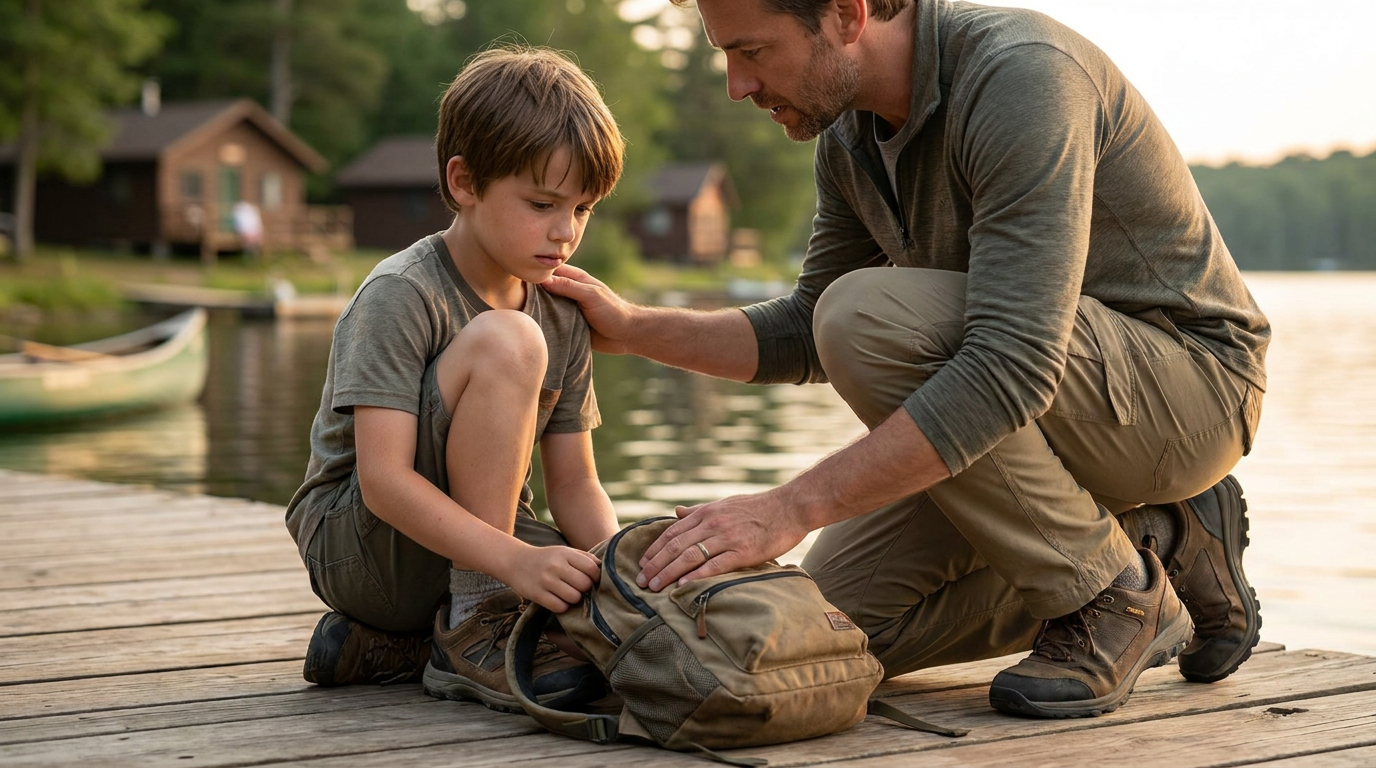
Picture this: your bright, curious eight-year-old suddenly freezes when you mention summer camp registration. Their excitement about swimming and crafts transforms into tears and protestations of “I don’t want to go!” This dramatic shift leaves many parents in Carlsbad wondering what went wrong. The truth is, summer camp anxiety affects nearly 40% of children, and understanding its root causes is the first step toward helping your child navigate these overwhelming feelings.
Summer camp anxiety isn’t just “normal nervousness” – it’s a complex emotional response rooted in specific developmental and psychological factors. When parents recognize these underlying causes, they can better support their children and determine when professional help might be beneficial.
Separation Anxiety and Attachment Concerns
Separation anxiety sits at the heart of many children’s camp fears, especially for kids who haven’t spent extended periods away from their primary caregivers. This anxiety often manifests differently across age groups – younger children might worry about parents forgetting to pick them up, while older kids may fear something happening to their family while they’re away.
Children with secure attachments typically adapt more easily to camp settings, but even securely attached kids can experience temporary distress. Those with anxious attachment styles, however, may find the prospect of camp particularly overwhelming. They might worry obsessively about their parents’ safety or convince themselves that their absence means they’re unwanted at home.
The intensity of separation anxiety often correlates with a child’s previous experiences with separation. A child who’s never attended sleepovers or stayed overnight with relatives will naturally find camp more daunting than one who’s gradually built comfort with being away from home.
Fear of the Unknown and New Social Dynamics
Camp represents a perfect storm of unknowns: new environment, unfamiliar adults, different rules, and most challengingly, a completely new social ecosystem. Children must navigate complex peer relationships without their usual support systems, which can feel overwhelming even for socially confident kids.
Many children worry about fitting in or being accepted by their cabin mates. Questions like “What if nobody likes me?” or “What if I don’t know how to play their games?” reveal deeper concerns about social competence and belonging. These fears become particularly acute for children who’ve struggled with friendships at school or in their neighborhood.
The camp environment also demands rapid social adaptation. Kids must quickly assess group dynamics, understand unwritten social rules, and find their place within an established peer hierarchy. This social navigation requires emotional intelligence skills that some children are still developing.
Previous Negative Experiences and Trauma Responses
Past experiences significantly shape a child’s expectations about camp. A negative daycare experience, bullying at school, or even an unpleasant family camping trip can create anxiety around similar future situations. Children’s brains are wired to protect them from perceived threats, so they may generalize fears from one context to another.
More serious trauma responses can also emerge around camp experiences. Children who’ve experienced abuse, family instability, or significant loss may find the camp environment triggering. The lack of control over their schedule, unfamiliar sleeping arrangements, or authority figures they don’t know can activate their stress response systems.
Sometimes parents don’t realize how profoundly earlier experiences have affected their child. A seemingly minor incident – like getting lost briefly at a school event or feeling embarrassed during a group activity – can create lasting anxiety about similar situations. Understanding how anxiety develops helps parents approach their child’s fears with greater compassion.
Developmental Factors That Influence Camp Readiness
A child’s developmental stage plays a crucial role in their camp readiness. Cognitive development affects how children process new information and cope with uncertainty. Younger children operate more concretely and may struggle to understand abstract reassurances like “You’ll have fun once you get there.”
Executive functioning skills – including emotional regulation, flexible thinking, and impulse control – vary significantly among children of the same age. Some eight-year-olds can easily adapt to new routines and manage their emotions independently, while others still need considerable support with these skills.
Sensory processing differences also impact camp experiences. Children who are sensitive to noise, touch, or visual stimulation may find the camp environment overwhelming. The constant activity, crowded spaces, and sensory-rich activities can quickly lead to overstimulation and anxiety.
Understanding these developmental factors helps parents set realistic expectations and choose appropriate camp experiences for their individual child. Rather than pushing through anxiety, recognizing when a child isn’t developmentally ready for certain camp experiences prevents unnecessary distress and builds confidence for future opportunities.
Recognizing the Warning Signs in Your Child
Physical Symptoms That Signal Distress
Your child’s body often signals anxiety before they can put their feelings into words. Stomachaches are particularly common when kids face camp-related stress, and they might complain of feeling sick every morning before camp discussions or activities. These aren’t “fake” symptoms—anxiety genuinely manifests physically in children’s developing systems.
Watch for headaches that seem to appear when camp topics come up, or when your child sees other kids talking about their summer plans. Muscle tension is another telltale sign, often showing up as neck or shoulder stiffness, especially in older kids who might clench their jaw or hunch their shoulders without realizing it.
Rapid heartbeat and shortness of breath can escalate quickly in anxious children. You might notice your child breathing faster during conversations about camp activities, or they may put their hand on their chest and say it “feels funny.” Some children experience dizziness or feel faint when anxiety becomes overwhelming, particularly when imagining separation from home.
Behavioral Changes to Monitor Before and During Camp
Children dealing with summer camp anxiety often become clingy in ways that feel sudden or out of character. Your typically independent child might start following you from room to room, or resist spending time at friends’ houses when they usually love sleepovers.
Regression behaviors are common and completely normal responses to anxiety. You might see a return to thumb-sucking, bedwetting, or baby talk in younger children. Older kids might become more dependent on parents for tasks they usually handle independently, like getting dressed or making simple decisions.
Increased irritability often masks underlying worry. Your child might have meltdowns over small things, argue about unrelated topics, or seem unusually sensitive to criticism. These emotional outbursts frequently intensify as camp dates approach, and understanding this pattern can help you respond with patience rather than frustration.
Some children become hypervigilant about camp-related information, constantly asking questions or seeking reassurance. Others go in the opposite direction, shutting down completely when camp gets mentioned or leaving the room during related conversations.
Sleep Disruptions and Appetite Changes
Sleep disturbances are among the most reliable indicators of childhood anxiety. Your child might struggle to fall asleep, especially after camp-related conversations or planning activities. They may wake up frequently during the night or experience early morning awakening with immediate worries about camp flooding their thoughts.
Nightmares about camp scenarios—getting lost, being forgotten, or facing unfamiliar situations—often increase as departure dates approach. Some children develop bedtime resistance, finding excuses to delay sleep because their minds race with camp worries once they lie down.
Appetite changes can swing both directions. Some anxious children lose interest in food entirely, picking at meals or complaining that nothing tastes good. Others might seek comfort through eating, asking for snacks more frequently or gravitating toward familiar foods for emotional security.
Pay attention to sudden food aversions, particularly if your child starts rejecting foods they typically enjoy. This can signal that anxiety is affecting their sensory processing and overall relationship with eating.
When Excitement Turns to Overwhelming Worry
Many children start camp preparation with genuine excitement, but watch for moments when that enthusiasm shifts into overwhelming concern. The transition often happens gradually, sometimes after hearing stories from other kids or when camp details become more concrete and real.
Excessive questioning can indicate that excitement has crossed into anxiety territory. When your child repeatedly asks about the same camp details despite receiving clear answers, or when they focus intensely on worst-case scenarios, they’re likely processing worry rather than healthy curiosity.
Physical manifestations of overwhelm might include panic-like symptoms during camp discussions—rapid breathing, sweating, or feeling like they need to escape the conversation. Some children might express feeling “too excited” when they’re actually becoming overstimulated by anxiety.
Notice if your child’s excitement becomes rigid or pressured. Instead of flexible enthusiasm, they might insist everything about camp must go perfectly, or become distressed when minor details change. This perfectionism often masks fears about their ability to handle camp challenges.
Trust your parental instincts when something feels off about your child’s camp preparation experience. If their behavior, sleep, appetite, or emotional regulation shows significant changes, these patterns deserve attention and potentially professional support to ensure a positive camp experience.
Preparing Your Child Before Camp Begins
Building Coping Skills Through Practice and Role-Play
Practice makes perfect, especially when it comes to managing anxiety. Rather than waiting until camp starts to see how your child handles challenging situations, create opportunities at home to rehearse common scenarios they might encounter.
Set up role-playing sessions where you act out different camp situations. Practice what to do when they miss you, when they feel overwhelmed in a group activity, or when they’re having trouble making friends. During these sessions, talking through feelings without judgment helps children develop their emotional vocabulary.
Teach specific coping techniques like deep breathing exercises, counting to ten, or using positive self-talk. Make these skills feel natural by practicing them during low-stress moments at home. When children have these tools in their back pocket, they feel more confident facing new situations.
Create a “worry toolkit” together. This might include visualization exercises where your child imagines successfully navigating camp activities, or physical comfort items they can use when feeling anxious. The key is making these strategies feel familiar and accessible before camp begins.
Creating Connection Points and Comfort Strategies
Establishing connection points helps bridge the gap between home and camp. Work with your child to identify specific times when they’ll think of home, like during morning flag ceremonies or before bedtime stories.
Pack meaningful comfort items that remind them of family love and support. This could be a family photo, a small stuffed animal, or even a piece of clothing that smells like home. These tangible reminders provide emotional anchoring during difficult moments.
Develop secret signals or phrases that remind your child of your love. Maybe it’s looking at the same stars you both can see, or remembering a special song you sing together. These connection rituals help children feel emotionally tethered to home even when physically separated.
Consider writing encouraging notes for camp counselors to give your child at specific times. A surprise note during lunch or before a challenging activity can provide exactly the boost they need. Planning these connection points in advance gives both you and your child something to look forward to.
Gradual Exposure Techniques for Anxious Children
Gradual exposure helps children build confidence by slowly introducing camp-like experiences in familiar settings. Start small and gradually increase the challenge level as your child’s comfort grows.
Begin with short separations from parents during enjoyable activities. This might mean spending an afternoon with grandparents or attending a friend’s birthday party without you. These positive separation experiences help children learn they can have fun and feel safe away from home.
Arrange playdates or group activities that mirror camp experiences. Outdoor adventures, craft projects, or team games in your backyard help children practice the social and emotional skills they’ll need at camp. The familiar home environment provides security while they develop new competencies.
Visit the camp location if possible, or explore similar outdoor spaces in your area. Familiarity with camp-like environments reduces the overwhelming newness factor. Many families in Carlsbad take advantage of local parks and beaches to practice outdoor skills and build comfort with nature-based activities.
Setting Realistic Expectations Together
Honest conversations about camp expectations help prevent anxiety spirals caused by unrealistic fears or pressures. Acknowledge that feeling nervous is completely normal and that even the most confident kids experience some uncertainty.
Discuss what camp will actually be like, focusing on both the fun aspects and the challenging ones. Talk about homesickness as a normal part of the camp experience rather than something to avoid. When children understand that missing home is expected, they’re less likely to interpret these feelings as signs something’s wrong.
Collaborate on setting achievable goals for the camp experience. Rather than expecting your child to love every moment, focus on smaller wins like trying one new activity, making one new friend, or successfully managing bedtime independently. These realistic benchmarks help children measure success appropriately.
Address perfectionist tendencies that might increase anxiety. Help your child understand that they don’t need to be the best at everything or make friends with everyone immediately. Sometimes parents need to examine their own expectations too, especially when anxiety patterns have become concerning.
Create a backup plan together for managing difficult moments. Knowing there’s a strategy for handling tough situations provides security without creating dependence. This preparation phase builds confidence while acknowledging that challenges are part of growth.
Communication Strategies That Reduce Anxiety
How to Talk About Worries Without Amplifying Fear
The way you discuss camp anxiety with your child can either calm their nerves or accidentally make them worse. When kids express worry about camp, your natural instinct might be to offer immediate reassurance (“You’ll be fine!”) or minimize their feelings (“There’s nothing to worry about”). But these responses often backfire, making children feel unheard and more anxious.
Start by acknowledging their specific concerns without judgment. If your child says they’re scared about making friends, respond with something like, “It sounds like you’re worried about connecting with other kids. That makes sense.” This validation shows you’re taking their feelings seriously without suggesting their fears are justified or overwhelming.
Frame conversations around problem-solving rather than dismissing worries. Ask open-ended questions like, “What do you think would help you feel more confident about meeting new people?” This approach empowers your child to develop coping strategies while maintaining realistic expectations about camp experiences.
Avoid creating anxiety where none existed by over-preparing or discussing every possible scenario. Some parents inadvertently plant worries by saying things like, “If you get homesick…” when the child hasn’t mentioned homesickness. Let your child guide the conversation topics and respond to their actual concerns rather than anticipated ones.
Active Listening Techniques for Validation
Active listening goes beyond simply hearing your child’s words. It involves reflecting their emotions, asking clarifying questions, and demonstrating that you understand their perspective. When your child shares camp-related fears, resist the urge to immediately offer solutions or reassurance.
Use reflective statements that mirror their feelings: “It sounds like you’re feeling nervous about sleeping in a new place” or “You seem worried about what happens if you miss home.” These responses help children feel understood while giving them space to explore their emotions more deeply.
Pay attention to nonverbal cues alongside verbal communication. A child who says they’re “excited” about camp while avoiding eye contact or fidgeting might be masking anxiety. Gently acknowledge what you observe: “You say you’re excited, but I notice you seem a little worried too. Both feelings are okay.”
Create dedicated time for these conversations when you’re fully present. Put away phones and distractions, make eye contact, and use body language that shows you’re engaged. Sometimes using emotional intelligence techniques can help you better understand and respond to your child’s feelings during these important discussions.
Working with Camp Staff for Consistency
Effective communication with camp counselors and directors creates a support network that extends beyond your family. Share relevant information about your child’s anxiety triggers, successful calming strategies, and any specific concerns without overwhelming staff with excessive details.
Provide camp staff with a brief overview of what works for your child during anxious moments. Does your child respond well to deep breathing exercises, need a few minutes of quiet time, or feel better when given a specific task to focus on? This information helps counselors respond appropriately when anxiety arises.
Establish clear communication protocols with camp leadership. Ask how they typically handle homesickness or anxiety, what their policy is for contacting parents, and how they’ll keep you informed about your child’s adjustment. Understanding these procedures reduces your own anxiety and helps you support your child more effectively.
Consider whether professional support might be beneficial for your family during this transition. Working with someone trained in family therapy can provide additional strategies for managing camp-related anxiety and improving family communication around these challenges.
Establishing Check-In Routines That Feel Secure
Consistent communication routines provide anxious children with predictable connection points to look forward to. Work with your child to establish when and how you’ll communicate during camp, whether through scheduled phone calls, letters, or care packages.
Create realistic expectations about contact frequency. While some camps allow daily phone calls, others have limited communication to help children fully engage in the camp experience. Discuss these policies beforehand and help your child understand that less frequent contact doesn’t mean you care less about them.
Develop special rituals that maintain connection even when you can’t communicate directly. Some families create countdown calendars, share the same bedtime story routine, or look at the same stars each night. These symbolic connections can provide comfort during moments of homesickness.
Plan what you’ll do if your child becomes overwhelmed during a check-in call. Prepare calming phrases, remind them of coping strategies they’ve practiced, and have a plan for follow-up communication. This preparation helps you respond supportively rather than reactively when your child needs extra emotional support.
Remember that building these communication skills takes practice for both you and your child. The investment in learning how to talk openly about anxiety and fears will benefit your family far beyond the camp experience, creating stronger emotional connections and more effective problem-solving abilities together.
Supporting Your Child During the Camp Experience
Responding to Mid-Camp Meltdowns and Calls Home
That tearful phone call from camp can send your heart racing, but your response in those first few moments sets the tone for everything that follows. When your child calls in distress, resist the urge to immediately problem-solve or rush to pick them up. Instead, start by validating their feelings: “That sounds really hard” or “I can hear how upset you are.”
Listen for specific details about what triggered the meltdown. Was it homesickness during bedtime? Difficulty making friends at lunch? A challenging activity that felt overwhelming? These details help you understand whether this is a temporary adjustment struggle or something requiring more intervention.
Keep your initial response calm and steady. Children often mirror our emotional energy, so if you sound panicked, they’ll feel more anxious. Use a warm but confident voice to reassure them that difficult feelings are normal and temporary. Remind them of their past successes overcoming challenges, helping them access their own resilience.
Set boundaries around contact frequency if needed. While some camps allow daily calls, too much contact can actually increase anxiety by preventing natural adjustment. Work with camp staff to establish a communication plan that supports your child without creating dependence on home for emotional regulation.
Balancing Support with Independence Building
The biggest challenge during camp is knowing how much support to provide without undermining your child’s developing independence. Your goal isn’t to eliminate all discomfort but to help them build confidence in managing difficult emotions on their own.
When offering support, focus on building their internal resources rather than external solutions. Instead of suggesting they avoid challenging activities, help them develop coping strategies they can use independently. Ask questions like “What helped you feel better last time you felt this way?” or “What do you think might help right now?”
Avoid the temptation to solve every problem from afar. If your child complains about a bunkmate conflict, resist the urge to call the counselor immediately. Instead, help them brainstorm ways to address the situation themselves first. This builds problem-solving skills they’ll use throughout life.
Remember that some struggling is actually growth. Children who never experience manageable challenges miss opportunities to develop resilience. Your role is to provide emotional support while allowing them space to work through difficulties independently.
When to Intervene and When to Step Back
Knowing when to step in versus when to step back requires careful attention to both the severity of your child’s distress and the duration of their struggles. Temporary homesickness or adjustment difficulties are normal and often resolve within the first few days of camp.
Consider intervening if your child reports safety concerns, bullying, or if their distress seems to be escalating rather than improving after several days. Signs that warrant intervention include persistent sleep problems, refusing to eat, complete social withdrawal, or expressions of self-harm.
On the other hand, step back when your child is working through normal adjustment challenges. If they’re making some friends, participating in most activities, and showing gradual improvement, trust the process. Sometimes the best support is simply believing in their ability to handle the situation.
Trust your parental instincts, but also consider consulting with professionals who specialize in anxiety therapy if you’re unsure whether your child’s reactions fall within normal ranges. They can help you distinguish between typical adjustment stress and anxiety that might need additional support.
Collaborating with Counselors for Success
Camp counselors are your allies in supporting your child’s success, but effective collaboration requires clear communication and shared understanding of your child’s needs. Share relevant information about your child’s anxiety triggers, coping strategies that work at home, and any previous experiences with separation anxiety.
Establish regular check-ins with counselors, but avoid micromanaging their approach. These professionals understand child development and group dynamics in ways that complement your parental knowledge. Ask about their observations of your child’s social interactions, participation levels, and signs of improvement.
Work together to create consistent responses to your child’s anxiety. If your child tends to seek adult attention when feeling overwhelmed, discuss strategies that provide support while encouraging independence. This might include designated check-in times or specific coping activities counselors can suggest.
Be open about your own anxiety as a parent. Counselors often notice when parental anxiety inadvertently reinforces children’s fears. They can offer suggestions for managing your own concerns while supporting your child’s growth. Remember that their goal aligns with yours: helping your child have a positive, growth-promoting experience at camp.
When to Seek Professional Help
Distinguishing Normal Adjustment from Clinical Anxiety
Most children experience some nervousness about summer camp, but how do you know when anxiety crosses into clinical territory? Normal adjustment anxiety typically peaks in the first few days and gradually decreases as children settle into routines. Clinical anxiety, however, persists or intensifies over time and significantly interferes with your child’s daily functioning.
Children with clinical anxiety might experience physical symptoms like persistent stomachaches, headaches, or sleep disturbances that don’t resolve after the first week. They may also show extreme behavioral changes, such as refusing to participate in any camp activities or becoming completely withdrawn from peers. When anxiety affects multiple areas of their life beyond just camp (home behavior, appetite, relationships), professional intervention becomes necessary.
Another key indicator is the intensity of your child’s emotional responses. While some tears and worry are normal, panic attacks, uncontrollable crying episodes, or statements about feeling hopeless suggest clinical anxiety that requires therapeutic support. Trust your parental instincts and seek professional guidance when your child’s distress feels overwhelming or persistent.
Finding the Right Therapeutic Approach for Your Child
Different therapeutic approaches work better for different children, and finding the right fit often depends on your child’s age, personality, and specific anxiety patterns. Play therapy works exceptionally well for younger children who might struggle to verbalize their fears about camp. Through play, therapists help children process their emotions and develop coping strategies in a natural, comfortable environment.
For older children and teens, cognitive-behavioral therapy (CBT) provides concrete tools for managing anxious thoughts and behaviors. CBT helps children identify negative thought patterns about camp and replace them with more realistic, helpful perspectives. Many therapists in Carlsbad also integrate mindfulness techniques, teaching children breathing exercises and grounding strategies they can use during anxious moments at camp.
Family therapy might be beneficial when camp anxiety reflects broader family dynamics or when parents need support in managing their own anxiety about their child’s struggles. The goal is creating a comprehensive approach that addresses both your child’s individual needs and the family system that supports them through challenges.
How Therapy Can Prepare Children for Future Challenges
Therapy for summer camp anxiety isn’t just about getting through this particular experience. Professional support helps children develop transferable skills they’ll use throughout their lives when facing new or challenging situations. Through therapeutic work, children learn to identify their anxiety triggers and understand that difficult feelings are temporary and manageable.
Therapists teach children practical coping strategies like progressive muscle relaxation, positive self-talk, and problem-solving techniques. These skills become part of their emotional toolkit, helping them approach future challenges (like starting a new school, joining a sports team, or attending sleepovers) with greater confidence and resilience.
Professional support also helps children understand that seeking help is a sign of strength, not weakness. This lesson proves invaluable as they grow older and face increasingly complex social and academic pressures. Early therapeutic intervention often prevents more significant mental health challenges later in adolescence and young adulthood.
Building Long-Term Resilience Through Professional Support
Professional therapy creates lasting changes in how children understand and manage their emotions. Rather than simply addressing immediate camp concerns, skilled therapists help children build emotional regulation skills that serve them well beyond summer. Children learn to recognize their body’s anxiety signals and respond with healthy coping mechanisms instead of avoidance or panic.
Therapy also strengthens the parent-child relationship by providing parents with specific strategies for supporting their anxious child. You’ll learn how to validate your child’s feelings without reinforcing avoidance behaviors, creating a home environment that promotes emotional growth and resilience.
If your child’s summer camp anxiety feels overwhelming or persistent, professional support can make a significant difference in their immediate experience and long-term emotional development. The therapists at New Growth Counseling understand the unique challenges children face when navigating anxiety, and they’re equipped with evidence-based approaches that help families build stronger, more resilient relationships. Your child deserves to enjoy childhood experiences like summer camp without being overwhelmed by anxiety, and seeking professional help is often the most loving thing you can do to support their emotional growth and happiness.
Related Posts
- Can EMDR Therapy in Carlsbad Help Us Heal Old Wounds in Our Relationship?
- Can IFS Therapy Help Us Stop Fighting and Start Understanding Each Other?
- Can Emotionally Focused Therapy in Carlsbad (EFT) Really Help Our Relationship?
- How IFS Therapy Helps with Anxiety: A New Way to Understand Your Worry
- The 8 Cs of Self-Energy: A Guide to Inner Healing with IFS Therapy
- What Is IFS Therapy and Can It Help Me?
- How Effective Is Emotionally Focused Therapy (EFT)?
- How do I raise an Emotionally Intelligent Kid?
- Overwhelmed by Anxiety? Expert Therapy in Carlsbad for All Ages
- Is My Teen’s Anxiety Normal? 7 Signs It’s Time for Counseling
- How to Talk to Your Anxious Teen Without Making It Worse
- How to Find a Therapist for My Child (Without Overwhelming Yourself)