
How Memorial Day Remembrance Affects Families Processing Recent Loss
Understanding the Emotional Complexity of Memorial Day for Grieving Families
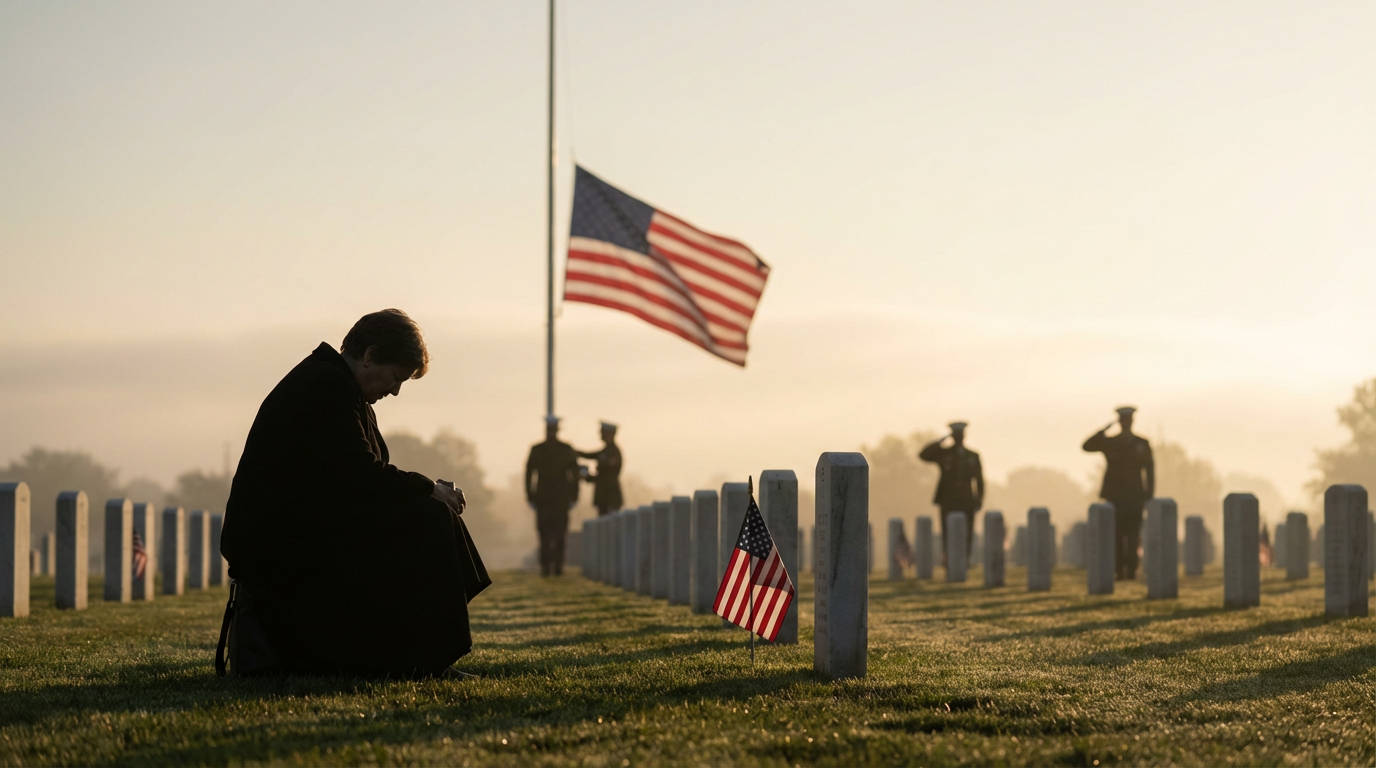
The flags wave in gentle morning breeze, ceremonies begin across countless cemeteries, and families gather to honor those who served our country. Yet for families still raw from recent loss, Memorial Day can feel like walking through an emotional minefield. What should be a day of collective remembrance often becomes an unexpected trigger that amplifies personal grief in ways that catch families completely off guard.
When you’re already navigating the complex terrain of loss, national holidays centered on death and remembrance create a unique psychological challenge. The very symbols meant to honor service members can suddenly feel too close to home, too fresh, too overwhelming for families still learning how to breathe without their loved one.
How National Remembrance Can Intensify Personal Grief
Memorial Day’s emphasis on honoring the deceased creates what grief counselors call “grief amplification” for families processing recent loss. The constant media coverage, ceremonial language around death, and community focus on remembrance can make personal grief feel magnified and inescapable.
Consider how the holiday’s imagery affects a family who lost someone just months ago. Military flyovers that once felt patriotic now sound like the helicopters that rushed their loved one to the hospital. Folded flags remind them of funeral services they’re still processing. The phrase “never forgotten” echoes the promise they whispered at their own family member’s graveside.
This amplification isn’t weakness or oversensitivity. It’s a normal neurological response where grief-related memories become hyperactivated by similar environmental cues. The brain, still learning to process recent loss, struggles to differentiate between collective mourning and personal trauma. Using therapeutic approaches can help families understand these intense reactions without judgment.
The Difference Between Anticipatory Grief and Memorial Day Triggers
Many families experience what they assume is anticipatory grief before Memorial Day, but the emotional reality often proves more complex. Anticipatory grief involves preparing emotionally for an expected loss or difficult anniversary. Memorial Day triggers, however, are sudden emotional responses to unexpected reminders embedded within the holiday.
Anticipatory grief might involve a widow dreading her first Memorial Day without her veteran husband. She expects difficulty and can prepare coping strategies. Memorial Day triggers hit differently – a mother whose teenage son died in a car accident suddenly finds herself sobbing during a routine barbecue commercial because it features families together.
The unpredictability of triggers makes them particularly challenging. A folded napkin resembling a funeral flag, children playing while parents remember their own child’s absence, or hearing “Taps” during a baseball game can instantly transport grieving families back to their darkest moments. Recognizing this distinction helps families develop more targeted coping strategies rather than general holiday avoidance.
Why Traditional Memorial Day Activities May Feel Overwhelming
Traditional Memorial Day activities often center on themes that directly intersect with grief: gathering families together, remembering those who’ve died, and celebrating life’s precious nature. For families processing recent loss, these seemingly positive activities can feel emotionally impossible.
Family barbecues highlight empty chairs and missing laughter. Cemetery visits to honor veterans can trigger fresh waves of grief about their own loss. Even patriotic music or speeches about sacrifice can feel too emotionally charged when personal sacrifice feels so raw and immediate.
The social expectations around Memorial Day create additional pressure. Well-meaning friends invite grieving families to join celebrations, not understanding that group gatherings can feel overwhelming when you’re still learning how to manage intense emotions or help children process their own grief responses.
Recognizing Normal vs. Concerning Grief Responses During Holiday Periods
Memorial Day can trigger intense grief responses that feel alarming but fall within normal ranges for recent loss. Temporary increases in sadness, anxiety, or anger around the holiday are expected reactions. Physical symptoms like fatigue, appetite changes, or sleep disruption during the Memorial Day weekend typically resolve within days.
However, certain responses warrant professional attention. If Memorial Day triggers lead to persistent thoughts of self-harm, complete inability to function for weeks afterward, or substance use to cope with holiday emotions, families benefit from couples & individual support.
Parents should particularly watch for concerning responses in children and teens who may not have the emotional vocabulary to express their Memorial Day grief triggers. Supporting families through specialized approaches can help distinguish between normal holiday grief intensification and more complex trauma responses requiring intervention.
Understanding these emotional complexities helps Carlsbad families approach Memorial Day with realistic expectations and appropriate support systems, creating space for both national remembrance and personal healing.
Common Family Dynamics When Processing Loss During Memorial Day
How Different Family Members Cope with Holiday Grief
When Memorial Day arrives after a recent loss, each family member processes grief through their own unique lens. Parents often feel pressure to maintain traditions while simultaneously protecting their children from additional pain. They might alternate between wanting to honor the fallen and struggling with their own raw emotions about their recent loss.
Adult children frequently experience conflicting loyalties during this time. They may feel obligated to participate in family gatherings while privately yearning for space to process their grief. Some find comfort in the collective remembrance that Memorial Day represents, while others feel overwhelmed by the additional layer of loss surrounding them.
Teenagers and younger children often mirror the emotional climate around them but lack the vocabulary to express their complex feelings. A 15-year-old might become irritable and withdrawn, not because they don’t care about family traditions, but because they’re processing both their personal loss and the broader themes of sacrifice and remembrance that the holiday brings.
Grandparents and older family members may carry additional weight during Memorial Day, particularly if they have military connections or have lost friends in service. Their grief becomes layered with historical memory, personal loss, and concern for how their family will navigate these difficult emotions.
Managing Conflicting Needs for Connection and Solitude
Memorial Day weekend often intensifies the natural tension between needing support and craving solitude that characterizes early grief. One spouse might desperately want to attend the local Carlsbad ceremony at the beach, finding comfort in community remembrance, while their partner feels unable to face public spaces or crowds.
These conflicting needs create additional stress within families already struggling with loss. Parents might feel torn between giving their children normalcy through traditional barbecues and parades, while simultaneously honoring their own need for quiet reflection. The pressure to make everyone happy can become overwhelming when emotional resources are already depleted.
Communication becomes crucial during these moments. Families benefit from honest conversations about what each person needs most during the holiday weekend. Some members might find healing through active participation in Memorial Day events, while others require permission to step back without guilt or judgment from family members.
Creating flexible plans allows families to honor both connection and solitude. This might mean participating in morning ceremonies together while allowing individual family members to choose their level of involvement in afternoon gatherings. The key lies in recognizing that everyone’s grief journey unfolds differently, especially during emotionally charged holidays.
Navigating Disagreements About Memorial Day Participation
Families processing recent loss often face challenging decisions about Memorial Day participation that can create unexpected conflict. One parent might feel strongly about maintaining traditional barbecues and gatherings, viewing them as essential for family healing, while another parent finds the thought of celebration inappropriate so soon after their loss.
These disagreements frequently stem from different grief processing styles rather than fundamental differences in values. Some family members find comfort in routine and tradition, while others need to modify or skip certain activities entirely. Neither approach is wrong, but without clear communication, these differences can create additional tension during an already difficult time.
Arguments might emerge about whether children should attend parades, participate in school Memorial Day programs, or visit cemeteries. Parents processing their own grief while trying to make decisions for their children often feel overwhelmed by these additional choices. The pressure to “do the right thing” intensifies when there’s no clear consensus within the family.
Successful navigation of these disagreements requires acknowledging that grief affects decision-making capacity and that compromise might look different than it would during normal circumstances. Families often benefit from professional guidance when these conflicts feel unresolvable, particularly when healing from grief requires additional support structures.
Supporting Children and Teens Through Holiday Grief Reactions
Children and teenagers experiencing grief during Memorial Day often display reactions that catch parents off-guard. A normally social child might refuse to attend family gatherings, while a typically reserved teenager might become clingy and afraid of separation. These reactions reflect the complex interplay between personal loss and the broader themes of sacrifice and remembrance that Memorial Day represents.
Young children might ask difficult questions about death and military service that parents feel unprepared to answer while processing their own grief. Eight-year-olds might wonder if their deceased grandparent was a hero like the soldiers being honored, or worry that other family members might die too. These conversations require careful navigation when parents are emotionally fragile themselves.
Teenagers often struggle with peer pressure during Memorial Day weekend, wanting to participate in social activities while feeling guilty about having fun so soon after a loss. They might experience overwhelming anxiety about appearing normal to friends while carrying the weight of family grief.
Supporting young people through holiday grief reactions requires validation of their complex emotions while providing age-appropriate explanations about grief’s unpredictable nature. Parents benefit from understanding that children’s grief behaviors might intensify during holidays, and that professional support can provide valuable tools for the entire family during these challenging transitions.
Practical Strategies for Families Facing Their First Memorial Day After Loss
Creating New Meaningful Traditions That Honor Your Loved One
The first Memorial Day after losing someone close to you doesn’t have to follow the same patterns as before. Many families in Carlsbad find that creating new traditions specifically designed to honor their loved one brings more comfort than trying to maintain old routines that now feel hollow or painful.
Consider starting small with personalized rituals that reflect your loved one’s personality and values. If they served in the military, you might visit their gravesite with their favorite flowers and spend time sharing stories about their service. For civilian losses, families often create memory boxes filled with photos, letters, and meaningful objects that can be opened each Memorial Day weekend.
Some families establish annual acts of service in their loved one’s memory. Volunteering at local veterans’ organizations, preparing care packages for deployed military families, or participating in community service projects can transform grief into meaningful action. These activities provide structure for the day while creating positive associations with what might otherwise feel like an overwhelming time.
The key is intentionality rather than obligation. New traditions should feel authentic to your family’s grieving process and your loved one’s legacy, not pressured by outside expectations of how you “should” remember them.
Setting Healthy Boundaries with Extended Family and Social Expectations
Extended family members and friends often have strong opinions about how families should handle their first Memorial Day after a loss. Some may pressure you to “get back to normal” by attending large gatherings or maintaining previous commitments. Others might expect elaborate memorial displays or specific grief behaviors that don’t align with your family’s needs.
Communicating your boundaries clearly and early helps prevent conflicts during an already difficult time. This might mean declining invitations to large family barbecues if they feel overwhelming, or explaining that you’ll be creating your own quiet observance this year. Remember that saying no to certain activities isn’t disrespectful to your loved one’s memory—it’s honoring your family’s current emotional capacity.
When families work with grief counseling professionals, they often learn that protecting their emotional space isn’t selfish; it’s necessary for healthy processing. You might tell extended family, “We’re planning a quiet day of remembrance this year, but we’d love to connect with you next week instead.”
Setting boundaries also applies to social media expectations. You don’t need to post public memorials or respond to every comment about your loss. Some families find it helpful to designate one person to handle social media interactions while others take a complete break from online platforms during emotionally charged holidays.
Preparing Children for Emotional Reactions and Difficult Conversations
Children often struggle to understand why Memorial Day feels different after a family loss, especially if they’re too young to fully grasp the connection between the holiday and remembrance. Age-appropriate preparation helps them navigate their own emotions while understanding the family’s grief responses.
For younger children, simple explanations work best: “Memorial Day is when we remember people who aren’t with us anymore, including Grandpa. We might feel sad today, and that’s okay.” Older children and teenagers may need more detailed conversations about how grief can resurface during holidays and why family dynamics might feel different.
Prepare children for the possibility that adults might cry, need quiet time, or change plans unexpectedly. When families engage in family systems approaches to processing loss, children learn that emotional reactions are normal and that the family can support each other through difficult moments.
Consider giving children specific roles in memorial activities so they feel included rather than confused. They might help choose flowers, write letters to their deceased loved one, or participate in acts of service. Having concrete ways to contribute helps children process their grief actively rather than just observing adult emotions they don’t understand.
Building Flexibility Into Holiday Plans to Accommodate Grief Waves
Grief doesn’t follow schedules, and Memorial Day weekend can trigger unexpected emotional responses even in families who feel prepared. Building flexibility into your plans acknowledges that grief comes in waves and allows you to respond to your family’s needs as they arise.
Create backup plans for different emotional scenarios. If your family planned to attend a community Memorial Day ceremony but wakes up feeling overwhelmed, have alternative activities ready—perhaps a quiet walk along Carlsbad’s coastline or staying home to look through photo albums. The goal is removing pressure to stick to rigid plans when emotions shift.
Many families benefit from scheduling “grief check-ins” throughout the weekend. Taking a few minutes to ask each family member how they’re feeling and what they need creates space for honest communication. These conversations can help you adjust plans in real-time rather than pushing through activities that have become emotionally difficult.
Professional couples & individual often emphasizes the importance of self-compassion during grief waves. If your Memorial Day plans need to change completely, that doesn’t represent failure—it represents responsive parenting and healthy grief processing. Flexibility protects your family’s emotional wellbeing while still honoring your loved one’s memory in whatever way feels most authentic for that particular day.
Therapeutic Approaches That Help Families Navigate Holiday Grief
How Family Systems Therapy Addresses Collective Grief Patterns
Family systems therapy recognizes that grief doesn’t happen in isolation—it ripples through entire family networks, creating patterns that can either support healing or intensify suffering. When families experience recent loss during Memorial Day season, these patterns become particularly pronounced as each member processes both personal grief and collective memories of service and sacrifice.
This therapeutic approach examines how families organize around loss, identifying roles that emerge during crisis. Some family members become the “strong ones,” suppressing their own grief to support others. Others may become the “identified grievers,” carrying emotional intensity for the entire system. During Memorial Day observances, these roles can become magnified as families navigate both private mourning and public commemoration.
Family systems therapists help families recognize these patterns and redistribute emotional labor more evenly. They might explore how military traditions within the family influence grief expression, or how generational differences in processing loss create tension during holiday observances. The goal isn’t to eliminate these patterns entirely, but to make them conscious and flexible rather than rigid and unconscious.
Using Emotionally Focused Therapy to Strengthen Family Bonds During Loss
Emotionally Focused Therapy (EFT) offers families practical tools for maintaining connection while honoring individual grief experiences. This approach focuses on identifying and expressing underlying emotions that often get masked by anger, withdrawal, or blame during difficult periods like Memorial Day weekend.
EFT helps family members understand their attachment responses to loss. One parent might become hypervigilant about family safety, while another withdraws emotionally as protection against further pain. Children may act out or become unusually compliant, both responses reflecting their need for security during uncertainty.
Through couples & individual sessions, families learn to identify these protective strategies and express the vulnerable emotions underneath. A father might discover his irritability during Memorial Day events stems from fear about his own mortality, while a teenager’s apparent indifference masks profound sadness about never knowing a deceased grandparent who served.
EFT sessions often include structured conversations where family members share their grief experiences without judgment or immediate problem-solving. These conversations help families move from criticism and distance to curiosity and connection, even amid profound loss.
EMDR Techniques for Processing Trauma-Related Holiday Triggers
Eye Movement Desensitization and Reprocessing (EMDR) proves particularly valuable when Memorial Day triggers traumatic memories related to loss. Families who have experienced sudden death, military casualties, or other traumatic losses often find holiday observances overwhelming rather than healing.
EMDR helps individuals process these triggers by targeting specific disturbing images, sounds, or sensations associated with Memorial Day. For military families, this might include the sound of helicopters, images of flag-draped coffins, or the smell of barbecue smoke that reminds them of their last holiday with their loved one.
The bilateral stimulation used in EMDR—typically eye movements or tactile stimulation—helps the brain reprocess these traumatic memories so they become integrated rather than intrusive. Family members often report that after EMDR processing, they can participate in Memorial Day activities with sadness but without the overwhelming panic or dissociation they previously experienced.
Therapists may also use EMDR resource installation techniques to strengthen families’ capacity for managing grief during triggered moments. These techniques help families access positive memories and internal resources even when experiencing difficult emotions during holiday observances.
When Individual vs. Family Therapy Sessions Are Most Beneficial
Determining the right therapeutic format requires careful assessment of each family’s unique dynamics and needs. Individual therapy becomes essential when family members have significantly different grief timelines or when someone needs private space to process guilt, anger, or other complex emotions without burdening other family members.
Individual sessions prove particularly valuable for family members who feel responsible for others’ emotional well-being or who have suppressed their own grief to maintain family stability. Parents often benefit from individual processing time before engaging in family sessions, allowing them to address their own triggers and develop coping strategies.
Family therapy sessions work best when members have developed some individual emotional regulation skills and can engage without overwhelming reactivity. These sessions focus on communication patterns, shared rituals, and collective meaning-making around loss and remembrance.
Many families benefit from alternating formats—individual sessions to process personal grief responses, followed by family sessions to practice new communication skills and plan meaningful Memorial Day observances that honor both their loved one and their ongoing family relationships.
Long-Term Healing: Moving Forward While Honoring Memory
Developing a Sustainable Relationship with Memorial Day Over Time
Your family’s relationship with Memorial Day will evolve as grief transforms from an acute wound into a more manageable presence in daily life. What feels overwhelming in the first year often becomes a meaningful tradition by the third or fourth Memorial Day after your loss.
Many families find success in creating flexible rituals that can grow with their healing journey. One Carlsbad family I worked with started by simply lighting a candle on their first Memorial Day after losing their veteran father. By the third year, they had expanded this into a neighborhood barbecue where friends shared stories about their loved one’s service.
The key lies in giving yourself permission to modify traditions as your needs change. Some years, you might feel called to participate in large community ceremonies. Other years, a quiet family gathering might feel more appropriate. Both responses honor your loved one’s memory while respecting where your family stands in the grieving process.
Teaching Children Healthy Ways to Remember and Process Loss
Children often look to adults for cues about how to handle emotionally charged days like Memorial Day. When you model healthy grief responses, you teach them that remembering doesn’t have to mean suffering.
Age-appropriate activities help children connect with their loved one’s memory without becoming overwhelmed. Younger children might help plant flowers or draw pictures of their favorite memories. Teenagers often appreciate being involved in creating photo displays or choosing music for memorial gatherings.
Be honest about your own emotions while maintaining stability. Saying “I miss Grandpa today, and that’s okay” teaches children that grief feelings are normal and temporary. When children see anxiety therapy or other professional support as a normal part of processing difficult emotions, they learn valuable coping skills for life.
Encourage questions and provide simple, truthful answers. Children often worry that forgetting details means they’re forgetting their loved one entirely. Reassure them that memories naturally shift over time, but love remains constant.
Building Resilience as a Family Unit Through Shared Grief Work
Families who navigate grief together often emerge with deeper bonds and stronger communication patterns. This doesn’t mean everyone grieves identically, but rather that family members support each other’s unique grieving styles.
Create space for different grief expressions within your family structure. One family member might find comfort in talking extensively about their loved one, while another prefers quiet reflection. Both approaches deserve respect and accommodation during Memorial Day observances.
Establish family check-ins during emotionally challenging periods. A simple “How is everyone feeling about this weekend?” before Memorial Day allows family members to voice concerns and plan accordingly. Some might need extra support, while others might prefer to take on caregiving roles.
Document your family’s journey through grief work. Keep a family journal where different members can write about their experiences, feelings, and memories. Over time, this becomes a valuable record of your collective healing and growth.
Recognizing When Professional Support Becomes Essential
While grief is a natural process, certain signs indicate that professional intervention could significantly benefit your family’s healing journey. Persistent sleep disruption, social isolation, or difficulty functioning in work or school settings six months after a loss warrant professional attention.
Memorial Day can serve as an annual emotional benchmark. If your family’s distress level during Memorial Day observances remains as intense in year three as it was in year one, this suggests that grief has become complicated and requires specialized support.
Watch for concerning behavioral changes in family members. Substance use as a coping mechanism, reckless decision-making, or persistent anger that disrupts family functioning all indicate the need for depression therapy or other professional grief support services.
Don’t wait for crisis points to seek help. Many Carlsbad families benefit from preventive grief counseling, particularly when approaching emotionally significant dates like Memorial Day. Couples & Individual can provide tools and strategies that make difficult days more manageable.
Remember that seeking professional support demonstrates strength, not weakness. Therapists who specialize in grief work can help your family develop healthy coping mechanisms while honoring your loved one’s memory in meaningful ways.
Finding Professional Support for Memorial Day Grief and Family Healing
Identifying the Right Type of Grief Counselor for Your Family’s Needs
When Memorial Day intensifies your family’s grief journey, finding the right professional support becomes crucial. Not all grief counselors specialize in the complex dynamics that holidays create for bereaved families, especially those processing recent losses.
Look for therapists who specifically mention experience with anticipatory grief around holidays and family systems work. These professionals understand how Memorial Day’s themes of remembrance and sacrifice can trigger unexpected emotional responses in children, adults, and family units as a whole.
Family grief counselors differ from individual therapists in their approach to healing. They focus on how loss affects family communication patterns, roles, and relationships. Some specialize in complicated grief, which often emerges when families struggle with conflicting emotions about honoring their loved one during patriotic holidays while managing fresh pain.
Consider whether your family needs someone trained in specific approaches like narrative therapy, which helps families rewrite their story to include their loved one’s memory in healthy ways. Others excel in cognitive behavioral techniques that address the intrusive thoughts and anxiety that Memorial Day remembrance activities can trigger.
What to Expect in Your First Family Grief Counseling Session
Your initial session will likely focus on understanding how Memorial Day specifically impacts your family’s grieving process. The counselor will assess whether recent loss has created complicated grief patterns that need specialized attention before the holiday season intensifies emotions.
Expect discussions about family traditions, how you’ve handled Memorial Day in the past, and what feels overwhelming about upcoming observances. Many families discover that their anxiety about the holiday is actually anticipatory grief, which is completely normal but requires specific coping strategies.
The therapist will explore each family member’s relationship with the deceased and how Memorial Day’s emphasis on honor and remembrance affects individual grief expressions. Children may feel confused about why a day meant to remember soldiers makes them miss their grandparent more intensely.
You’ll likely receive homework assignments before Memorial Day arrives. These might include creating new family rituals that honor your loved one alongside traditional holiday observances, or developing communication strategies for when emotions become overwhelming during public ceremonies.
Insurance Considerations and Accessibility of Grief Support Services
Most health insurance plans cover grief counseling under mental health benefits, but coverage specifics vary significantly. Family therapy sessions typically require higher copayments than individual sessions, so understanding your out-of-pocket costs helps with planning ongoing support.
Many insurance providers require pre-authorization for family therapy, which can take several weeks to process. Given Memorial Day’s fixed date, starting this process early ensures you have support in place when holiday emotions intensify.
If insurance coverage presents barriers, many counseling practices offer sliding scale fees based on family income. Some community organizations in Carlsbad and throughout California provide grief support groups specifically designed for families processing recent losses during difficult times of year.
Telehealth options have expanded accessibility significantly, allowing families to access specialized grief counselors beyond their immediate geographic area. This proves especially valuable for military families who may need counselors experienced with both civilian loss and the unique aspects of Memorial Day observance.
Building a Support Network Beyond Professional Therapy
Professional counseling provides essential foundation work, but sustainable healing requires broader community support. Many families find that couples & individual helps parents process their own grief, making them more emotionally available for their children during difficult holiday periods.
Consider connecting with other families who understand the intersection of recent loss and Memorial Day challenges. Grief support groups often form around shared experiences, and holiday-specific groups provide targeted understanding of seasonal grief intensification.
Religious communities frequently offer Memorial Day services that balance patriotic remembrance with personal loss acknowledgment. These gatherings can help families feel less alone in their grief while participating in meaningful community traditions.
Creating new support connections takes time, but the investment proves invaluable when Memorial Day triggers unexpected emotional responses. Professional grief counselors can guide this network-building process while providing immediate coping strategies for your family’s unique situation. When recent loss intersects with national remembrance, having multiple layers of support ensures your family has resources to draw upon during both planned observances and unexpected moments of grief that holidays often bring.