
How Mindfulness-Based Therapy Helps Young Adults Navigate Career Anxiety in 2026
Understanding Career Anxiety in Young Adults: The Modern Mental Health Crisis
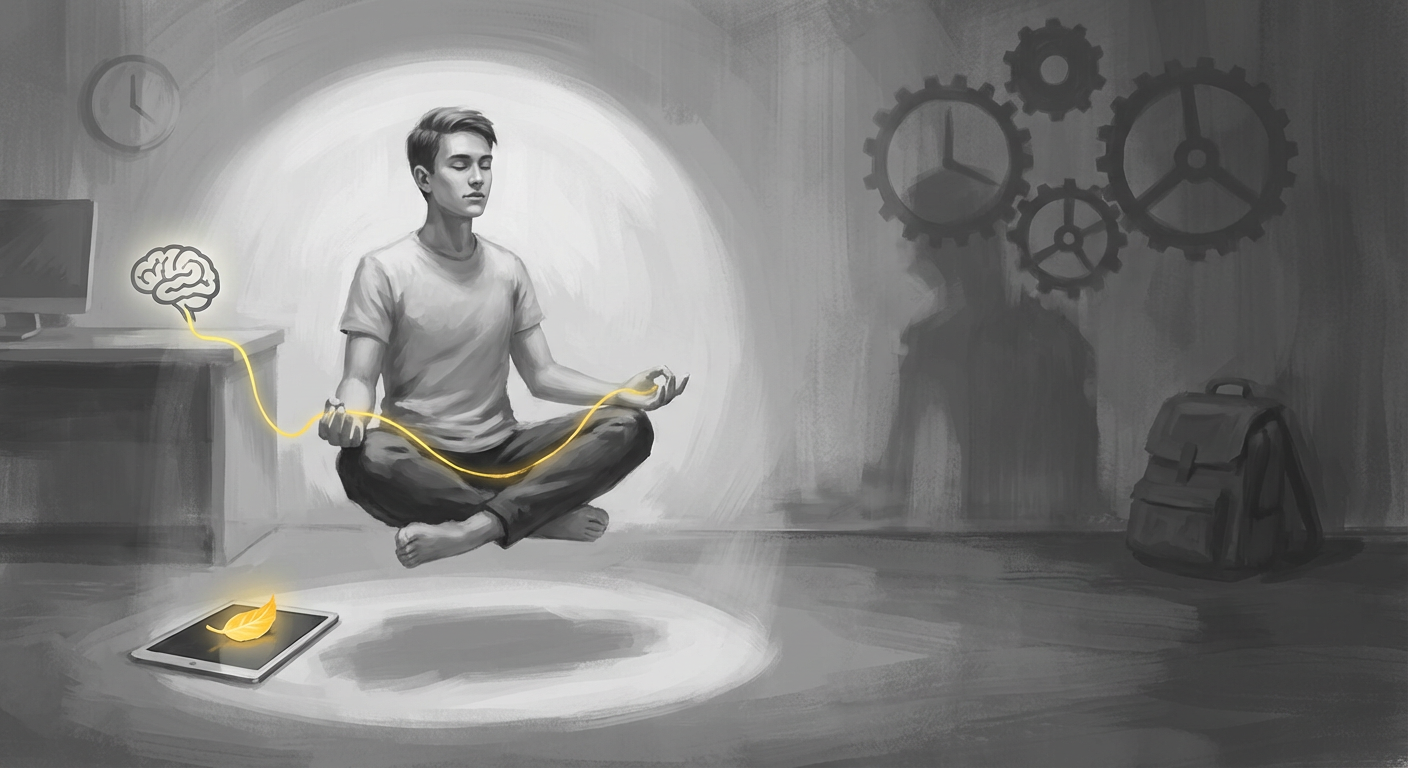
Walking into a first job or considering a career pivot used to feel like a rite of passage, but for today’s young adults, it often feels like walking a tightrope over a canyon. The pressure to perform, the fear of choosing the wrong path, and the constant noise of a global economy have turned professional development into a significant source of distress. It is no longer just about “pre-interview jitters” or occasional stress after a long day at the office. We are seeing a profound shift in how young professionals experience their working lives, where the stakes feel permanent and the margin for error feels nonexistent.
When you sit in our Carlsbad, CA office, you hear a recurring theme. Young people feel they must be experts before they’ve even started, and this mismatch between expectation and reality creates a paralyzing sense of dread. Career anxiety is quietly becoming one of the most common reasons young adults seek support today. Understanding the roots of this crisis is the first step in finding a way through the fog of uncertainty that plagues so many early-career journeys.
Why Career-Related Anxiety Has Intensified for Today’s Young Adults
The world of work has changed more in the last decade than in the previous three combined. Young adults are entering a market defined by rapid automation, shifting remote-work norms, and an “always-on” culture that blurs the lines between living and working. This lack of clear boundaries makes it difficult to ever truly feel “done” with a task. When your office is your laptop and your laptop is on your nightstand, the mental load of your professional responsibilities never fully dissipates.
Economic instability also plays a massive role in this intensification. With the rising costs of living in areas like Carlsbad, the pressure to secure a high-paying role immediately upon graduation is immense. Many young adults carry significant student debt, which acts as a heavy weight on their decision-making process.
They don’t feel they have the luxury to explore different paths or “find themselves” because every month brings a bill that requires a steady, substantial income. This financial pressure turns a career search into a high-stakes survival mission rather than a fulfilling professional pursuit.
And then there is the sheer volume of choice. While having options sounds like a benefit, it often leads to “decision paralysis.” In a world where you can theoretically do anything, making a single choice feels like closing a thousand other doors. Young adults worry that picking the wrong industry today will ruin their chances of success ten years from now. This fear of future regret keeps them stuck in a loop of constant research and second-guessing that drains their mental energy.
Common Symptoms and Manifestations in Professional Settings
Career-related distress doesn’t always look like a panic attack in the breakroom. Often, it shows up as subtle, habitual behaviors that erode your confidence over time. You might find yourself checking emails at 11:00 PM, not because you have an urgent deadline, but because the intrusive thought of “missing something” is too loud to ignore.
This hyper-vigilance is a hallmark sign that your nervous system is stuck in a state of high alert. It makes resting nearly impossible because your brain views downtime as a threat to your productivity.
Procrastination is another misunderstood symptom. People often mistake it for laziness, but in the context of career anxiety, it’s usually an avoidance strategy. If you are terrified that your work won’t be perfect, your brain might decide that not starting the task is safer than finishing it and being judged. This cycle leads to a frantic rush as deadlines approach, which only reinforces the belief that you’re “bad at your job.” Using mindfulness therapy anxiety techniques can help you recognize these avoidance patterns before they spiral into a full-blown crisis.
Physical symptoms are also frequent. Chronic tension headaches, a tight chest during Sunday evenings, or persistent digestive issues often point toward a body that is struggling to process professional stress. When you are overwhelmed by anxiety, your body loses its ability to distinguish between a demanding boss and a genuine physical threat. Over time, this constant cortisol spike leads to burnout, leaving you feeling cynical and exhausted before your career has even truly hit its stride.
The Connection Between Social Media, Comparison Culture, and Career Stress
It is impossible to discuss modern career anxiety without looking at the digital mirror of social media. Platforms like LinkedIn and Instagram have turned professional life into a curated performance. You aren’t just competing with your immediate peers; you are comparing your “behind-the-scenes” struggles with everyone else’s “highlight reel.” Seeing a former classmate land a “Senior VP” role at age twenty-four can trigger a deep sense of inadequacy, even if you don’t know the context behind their title.
This comparison culture creates a false timeline for success. There is a silent, pervasive belief that if you haven’t “made it” by your mid-twenties, you are somehow falling behind. This “hustle culture” glorifies burnout as a badge of honor, making young adults feel guilty for needing sleep or personal time.
But the reality is that these digital snippets are rarely honest about the failures, lucky breaks, or mental health struggles happening off-camera. This distorted reality makes the normal, messy process of career growth feel like a personal failure.
The constant stream of productivity “hacks” and “career secrets” also adds to the noise. Young professionals feel they must constantly optimize
The Fundamentals of Mindfulness-Based Therapeutic Approaches
Core Principles of Mindfulness in Clinical Practice
Mindfulness in a clinical setting is far more than just “being present.” It involves a disciplined approach to awareness that requires specific mental shifts. When we work with clients in Carlsbad, we focus on helping them develop an objective perspective on their internal experiences. This starts with non-judgement, which means observing a thought about a failing career without immediately labeling it as a catastrophe or a personal flaw.
Another central pillar is the concept of the “beginner’s mind.” For a young adult facing a job search or a high-pressure promotion, it is easy to let past failures dictate future expectations. We encourage individuals to look at each moment as if it were brand new. This prevents the heavy baggage of previous interviews or workplace conflicts from coloring the current reality. It allows for a sense of curiosity rather than dread when opening a laptop or attending a networking event.
Patience and non-striving are also vital components of this practice. In the corporate world, everything is about the “hustle” and achieving the next milestone. Clinical mindfulness teaches the opposite. It suggests that by not forcing an outcome, you actually become more effective. By using couples & individual to explore these principles, clients learn to sit with discomfort rather than constantly trying to outrun it through overworking or avoidance.
Finally, there is the principle of acceptance. This does not mean liking your current situation or giving up on your goals. Instead, it means acknowledging the current reality of your anxiety.
If you are feeling a racing heart before a presentation, mindfulness teaches you to acknowledge the physical sensation. When you stop fighting the feeling, its power over your decision-making often begins to fade quite naturally.
How Mindfulness Differs from Traditional Cognitive Behavioral Techniques
Traditional Cognitive Behavioral Therapy (CBT) often focuses on identifying and “challenging” irrational thoughts. If you think, “I am going to get fired,” a CBT approach might ask you to look at the evidence for and against that thought. It is an active, analytical process of restructuring how you think. While this is highly effective, it can sometimes feel like a mental debate that keeps you trapped inside your own head.
Mindfulness-based approaches take a different path. Rather than trying to change the content of the thought, we change your relationship to the thought itself. You learn to see the thought “I am going to get fired” as just a temporary mental event.
It is like a cloud passing through the sky. You don’t have to argue with the cloud to make it disappear; you simply watch it move along without letting it ruin your day.
This subtle shift is especially helpful for people who find themselves over-analyzing every email or Slack message. If you are constantly checking for signs it’s time to manage your stress, you might realize that your current coping mechanisms are just more “thinking.” Mindfulness provides a break from the constant mental churn by moving the focus into the body and the physical senses.
CBT is about “doing” and “fixing,” whereas mindfulness is about “being” and “observing.” Both have their place in modern therapy. However, for young adults who feel like their brains never turn off, the quiet observation found in mindfulness provides a unique kind of relief. It teaches you that you are the observer of your thoughts, not the thoughts themselves, which is a powerful distinction in a high-stakes career environment.
Evidence-Based Research Supporting Mindfulness for Anxiety Treatment
The scientific community has spent the last two decades rigorously testing how mindfulness affects the brain. Research consistently shows that regular practice can actually shrink the amygdala, which is the part of the brain responsible for the “fight or flight” response. For someone with career anxiety, this means the biological trigger for panic becomes less sensitive over time. You are literally retraining your nervous system to stay calm under pressure.
Studies have also highlighted the impact on the prefrontal cortex, the area responsible for focus, decision-making, and emotional regulation. When this area is strengthened, you can think more clearly during a crisis. Instead of freezing up when a project goes south, you have the mental bandwidth to pivot. This is why many successful professional therapy in carlsbad programs now prioritize these techniques for long-term resilience.
Data specifically looking at young adults indicates that mindfulness reduces “rumination,” which is the habit of chewing on worries over and over again. Rumination is a primary driver of burnout. By breaking this cycle, researchers have found significant drops in cortisol levels and improvements in sleep quality. Better sleep leads to better performance, which naturally helps alleviate some of the external triggers of career-related stress.
We also see strong evidence in the realm of “Interoceptive Awareness.” This is the ability to sense what is happening inside your body before it turns into a full-scale panic attack. Research suggests that mindfulness practitioners can catch the early physical signs of stress. This allows them to intervene with breathing exercises or grounding techniques much earlier than those who are disconnected from their physical selves.
Integrating Mindfulness with Other Therapeutic Modalities
In practice, we rarely use mindfulness in a vacuum. It works best when woven into
Specific Mindfulness Techniques for Career-Related Anxiety Management
Body Scan and Grounding Exercises for Pre-Interview Nerves
The physical manifestations of anxiety often strike hardest right before a big interview. You might feel your heart racing or your palms becoming damp as you wait in a digital lobby or a physical office in Carlsbad. These physical cues are your nervous system entering a fight-or-flight state, which can cloud your memory and dull your natural personality. Using a quick body scan allows you to check in with these sensations without judging them.
Start at your toes and mentally move upward. Notice any tension in your calves, the tightness in your stomach, or the way your shoulders have crept up toward your ears. By acknowledging these sensations, you create a small gap between the feeling and your reaction to it. You aren’t trying to force the heart palpitations to stop immediately, but rather acknowledging that “my body is feeling nervous energy” instead of thinking “I am failing this interview before it starts.”
Grounding exercises provide an immediate anchor when your mind starts spinning into future-based “what-if” scenarios. The 5-4-3-2-1 technique is particularly effective for young adults because it requires zero equipment and can be done anywhere. Mentally name five things you see, four things you can touch, three things you hear, and so on. This simple shift in focus pulls your brain out of the imagined future catastrophe and back into the physical reality of the chair you are sitting in.
For those who find their physical symptoms particularly stubborn, looking into can emdr therapy can offer insights into how the brain processes deep-seated stress. Sometimes pre-interview nerves are actually echoes of past academic or professional failures. Grounding helps bridge that gap between past trauma and present performance. It allows you to enter the room as your current, capable self.
Mindful Decision-Making Frameworks for Career Transitions
Deciding whether to pivot careers or accept a new job offer in 2026 feels high-stakes because of the rapid shifts in the global market. Many young adults fall into the trap of “analysis paralysis,” where they weigh every possible variable until they are frozen with dread. Mindful decision-making isn’t about finding the “perfect” choice, but about making a choice from a place of clarity rather than fear. It involves observing your internal motivations with a neutral eye.
When you are at a crossroads, try the “Pause and Pivot” framework. Instead of reacting to an offer with immediate pressure to say yes, give yourself a mandated twenty-four-hour window. During this time, observe which thoughts are driven by scarcity (the fear that no other jobs exist) and which are driven by alignment (the sense that this role fits your values). This distinction is vital for long-term career satisfaction and mental health maintenance.
We work with various demographics at New Growth Counseling to help them identify these internal drivers. If you look at who we serve, you will see that career transitions affect people at different life stages, but the anxiety is uniquely sharp for young adults. You are often building your identity through your work, which makes every transition feel like a complete reinvention of who you are.
Another useful tool is the “Three-Breath Inquiry.” Before making a final decision, take three deep breaths. On the first, ask what your logic says. On the second, ask what your intuition says.
On the third, ask what your fear says. Usually, the fear is much louder than the others, but identifying it specifically allows you to acknowledge its existence without letting it hold the steering wheel of your career path.
Present-Moment Awareness Practices for Workplace Overwhelm
The modern workplace is a barrage of notifications, Slack messages, and shifting deadlines. It is incredibly easy to lose your sense of self in the noise of a busy Tuesday morning. Present-moment awareness is the practice of coming back to the “now” even when your inbox is screaming otherwise. It prevents the cumulative buildup of stress that leads to total burnout or weekend-long exhaustion.
One effective method is “Micro-Mindfulness,” which involves picking one routine task to do with 100% focus. This could be drinking your coffee, walking to the breakroom, or even just formatting a spreadsheet. For those three minutes, you are not thinking about the 4:00 PM meeting.
You are just feeling the weight of the mug or the rhythm of your typing. It sounds small, but these mini-resets prevent your nervous system from staying agitated all day.
When the overwhelm becomes too much, it’s helpful to remember that professional support exists for these specific struggles. Parents often ask my teen needs when they notice their children entering the workforce and struggling with these exact pressures. Learning these regulation skills early can change the entire trajectory of a young adult’s professional life.
You can also use “Transition Rituals” between tasks. Instead of jumping from one Zoom call directly into another, take sixty seconds to sit in silence. Close your eyes and feel your breath. This “buffer time” creates a mental boundary between different work demands. It ensures that the stress of the
Building Long-Term Resilience Through Mindfulness Practice
Developing a Sustainable Daily Mindfulness Routine
Success in your professional life often depends on the habits you build behind the scenes. When career pressure starts to feel like a heavy weight, a consistent practice serves as your anchor. You don’t need to spend hours sitting on a cushion to see results (most of us don’t have that kind of time anyway).
Starting with just five minutes of focused breathing before checking your email can change how you react to a stressful morning. This simple act trains your brain to stay present rather than spiraling into “what-if” scenarios about your future. Over time, these small moments of stillness build the mental muscle required to handle high-stakes environments.
Many young adults find that individual therapy sessions provide a structured space to develop these customized routines. Your therapist can help you identify which specific techniques work for your nervous system, whether it’s a body scan or mindful walking. Consistency matters more than intensity when it comes to neuroplasticity and emotional regulation.
If you find yourself skipping your practice when work gets busy, try “habit stacking.” Attach your mindfulness moment to something you already do, like waiting for your coffee to brew or sitting in your car before walking into the office in Carlsbad. This makes the habit feel less like a chore and more like a necessary part of your professional toolkit.
Creating Mindful Boundaries Between Work and Personal Life
In a world where your office is often just a laptop on your kitchen table, the lines between “on” and “off” become incredibly blurry. This lack of separation is a primary driver of burnout and persistent anxiety. You might find yourself checking Slack at 9:00 PM or obsessively reviewing a presentation during dinner.
Mindfulness allows you to notice the physical urge to check your phone before you actually do it. By catching that impulse, you gain the power to choose a different action. Creating a “digital sunset” or a physical ritual to end your workday helps signal to your brain that the professional demands have finished for the day.
For those utilizing online therapy to manage their schedules, practicing these transitions is a frequent topic of focus. It’s about more than just closing your laptop; it’s about mentally “logging out” of your professional identity to reclaim your personal time. This separation is vital for long-term career sustainability and mental health.
Try setting a specific “commute” even if you work from home. Take a ten-minute walk around your neighborhood in Carlsbad to mark the end of your shift. During this time, observe the sights and sounds around you rather than ruminating on your task list. This simple shift helps prevent work stress from leaking into your evening and ruining your sleep.
Using Mindfulness to Navigate Uncertainty in Career Planning
Career paths in 2026 are rarely linear, and that lack of a clear map can trigger significant distress. You might feel like you’re falling behind your peers or making the wrong choices. Mindfulness doesn’t give you the answers to your future, but it changes how you relate to the “not knowing” of it all.
Instead of viewing uncertainty as a threat, mindfulness teaches you to see it as a space of possibility. When you feel that tightening in your chest regarding a job transition, try to name the feeling without judging it. This creates a gap between the emotion and your reaction, allowing for more strategic decision-making rather than impulsive moves driven by fear.
At New Growth Counseling, we often see how couples & individual helps people navigate these crossroads with more clarity. Learning to sit with the discomfort of an unknown future prevents you from rushing into a roles that don’t actually fit your goals. It allows you to wait for the right opportunity rather than any opportunity.
Ask yourself: what am I feeling in my body right now as I think about this choice? Often, our physical sensations offer more honest data than our overactive minds. By staying grounded in the present, you can make career moves that are based on your values rather than a desperate need for temporary certainty.
Cultivating Self-Compassion During Professional Growth
We are often our own harshest critics, especially when we face setbacks or slow progress in our careers. You might tell yourself that you aren’t working hard enough or that you should be further along by now. This internal dialogue fuels anxiety and actually hinders your ability to perform well.
Self-compassion is a core pillar of mindfulness that involves treating yourself with the same kindness you would offer a friend. In a professional context, this means acknowledging that mistakes are part of the learning process. It isn’t about letting yourself off the hook; it’s about creating a supportive internal environment that fosters resilience.
When you experience a professional “failure,” notice the voice in your head. Is it helpful? Does it sound like the guidance found in a panic attacks which emphasizes stays grounded? If that inner voice is screaming, use mindfulness to gently turn down the volume and refocus on what you can control in the present moment.
Remember that professional growth is a marathon, not a sprint
Working with a Therapist: What to Expect from Mindfulness-Based Treatment
Finding a Qualified Mindfulness-Based Therapist
Searching for a provider who understands both the clinical side of anxiety and the specific nuances of mindfulness practice can feel like another chore on your to-do list. However, finding the right fit is the most significant predictor of success in treatment. You want a professional who doesn’t just “do” mindfulness as a buzzword but has specific training in modalities like Mindfulness-Based Cognitive Therapy (MBCT) or Acceptance and Commitment Therapy (ACT).
When you browse directories or websites, look for clinicians who specifically mention these types of anxiety therapy frameworks. It’s also helpful to look for someone who understands the modern corporate landscape or the gig economy pressures unique to young adults in Carlsbad. During an initial consultation, don’t be afraid to ask how they integrate breathing or grounding exercises into their talk therapy sessions.
Many clients find it helpful to ask about the therapist’s personal experience with mindfulness practice. While a therapist doesn’t need to be a monk, a practitioner who maintains their own mindfulness routine usually offers more practical, nuanced guidance. Finding a provider who offers couples & individual can also be beneficial if your career stress is starting to bleed into your personal relationships.
Typical Session Structure and Treatment Timeline
A standard session is usually 50 minutes, and the first few meetings focus heavily on your history and current career triggers. Unlike traditional psychoanalysis where you might just “vent” for an hour, mindfulness-based sessions are quite structured. You might start with a brief three-minute grounding exercise to transition from your busy workday into the therapeutic space.
After the initial grounding, you’ll likely spend time reviewing stressors from the previous week. Your therapist will help you observe your reactions to those stressors without judgment. If you are a younger individual or a parent searching for teen counseling options, you might notice the focus is on identifying physical sensations of anxiety before they spiral into a panic attack. This structured approach helps categorize thoughts as “just thoughts” rather than absolute truths about your career potential.
As for the timeline, mindfulness isn’t a quick fix, but it isn’t a lifelong sentence either. Most young adults start to feel a tangible shift in their perspective within 8 to 12 sessions. By month three, the goal is for you to have a “toolbox” of skills that you can use during a performance review or a high-stakes networking event without needing the therapist’s immediate guidance.
Homework Assignments and Between-Session Practice
The real work of mindfulness happens in the 167 hours of the week when you aren’t in the therapist’s office. You wouldn’t expect to get fit by going to the gym once a week and sitting on the bench, right? Therapy works the same way. Your “homework” might involve using a specific app for five minutes a day or practicing “mindful eating” during your lunch break at the office.
Assignments are often tailored to your specific career anxieties. If you struggle with “Sunday Scaries,” your therapist might ask you to practice a body scan on Sunday evenings. If you find yourself checking emails compulsively, your task might be a “digital fast” for one hour before bed. These small, repeatable actions help retrain your nervous system to stay in the present moment rather than obsessing over future deadlines.
We often find that clients who engage with these small tasks see much faster results. If you’ve read about how is my teen’s, you know that early intervention paired with consistent practice at home makes a world of difference. It turns abstract concepts into concrete habits that eventually become your default setting when work gets chaotic.
Measuring Progress and Adjusting Treatment Approaches
How do you know if the mindfulness is actually working? Progress in mindfulness-based therapy isn’t always a straight line upward. Some weeks you will feel incredibly Zen, and other weeks a single “passive-aggressive” email from a manager might send you back into a spiral. Your therapist will use specific metrics, like the GAD-7 anxiety scale or subjective units of distress, to track your trends over time.
Progress is often measured by your “recovery time.” In the beginning, a bad day at work might ruin your entire week. As you gain mastery over mindfulness techniques, that same bad day might only ruin your afternoon. You learn to acknowledge the frustration and move on. If you find that a specific meditation style isn’t clicking, your therapist should be flexible enough to pivot toward more active techniques like mindful walking or journaling.
Adjusting the approach is a collaborative process. If your career situation changes—like a promotion or a layoff—your treatment plan will likely shift to address those new stressors. The ultimate goal is for you to become your own therapist. When you can sit in a boardroom and notice your heart racing without letting it dictate your words, you know the treatment has been a success. This level of self-awareness is the primary aim of couples & individual sessions
Success Stories and Practical Implementation Strategies
Real-World Applications in Different Career Fields
Mindfulness practices differ depending on the specific pressures of your industry. For a software developer in Carlsbad, CA, USA, career anxiety might stem from rapid technological shifts or grueling sprint deadlines. In this context, mindfulness therapy anxiety techniques focus on grounding exercises that break the cycle of “future-tripping” about obsolete skills.
Young professionals in the medical or legal fields often face high-stakes environments where perfectionism feels like a requirement. We see individuals using micro-meditations between client meetings or patient rounds to reset their nervous systems. These brief pauses prevent the cumulative stress that leads to burnout before a career even truly begins.
Creative professionals often struggle with the “gig economy” uncertainty that will likely define the 2026 job market. Using mindfulness allows these workers to observe their financial fears without letting those fears dictate their creative output. By separating their self-worth from their latest project, they maintain the mental clarity needed to pitch new ideas effectively.
Even in traditional corporate settings, employees use mindful communication to handle difficult performance reviews. Instead of reacting defensively to feedback, they learn to notice the physical sensation of a “threat” and choose a composed, professional response. This level of emotional intelligence is exactly what modern employers look for in leadership candidates.
Combining Therapy with Career Counseling Services
While a career coach helps you polish your resume or prep for interviews, couples & individual addresses the internal barriers that make those tasks feel impossible. It is one thing to know how to interview, but quite another to manage the heart palpitations that occur the night before. Integrating these two services creates a comprehensive approach to professional growth.
Therapy provides the emotional foundation, helping you identify if your career anxiety is rooted in deeper patterns of inadequacy or family expectations. Career counseling then provides the practical roadmap to apply your newfound confidence. Without the internal work, even the most perfect job offer can feel like a source of impending failure.
We often find that young adults who try to “hustle” through their anxiety eventually hit a wall. By incorporating career anxiety counseling into their weekly routine, they treat their mental health as a professional asset rather than a distraction. This shift in perspective transforms therapy from a “quick fix” into a long-term strategy for vocational success.
At New Growth Counseling, we believe that career success is unsustainable without emotional resilience. When you align your professional goals with your mental well-being, you stop chasing titles and start building a life that feels authentic. This synergy ensures that when you finally land that dream role, you actually have the capacity to enjoy it.
Building Support Networks and Peer Connections
Isolation is a primary driver of career-related stress for young adults entering a hybrid or remote workforce. Building a robust support network is not just about “networking” for jobs, it is about finding people who understand the specific weight of your ambitions. Peer groups offer a space to realize that your peers are likely struggling with the exact same fears.
Mentorship plays a critical role here, but so does “horizontal” networking with people at your same professional level. These connections provide a sounding board for navigating workplace politics or negotiating salaries. When you share your experiences openly, the shame associated with career anxiety begins to evaporate.
Digital communities can be helpful, but local connections in the Carlsbad area offer a different level of accountability. Attending local workshops or joining professional associations allows you to practice the social skills honed in therapy. These real-world interactions serve as a testing ground for the mindfulness techniques you have learned in a safe environment.
Family support is also a major factor, though it can sometimes be a source of pressure rather than relief. Understanding how to talk is a vital skill for parents of young adults transitioning into the workforce. A supportive home environment acts as a vital safety net during the volatile early years of a career.
Maintaining Mental Health Gains After Treatment Completion
The goal of therapy is not to remain in treatment forever, but to build a toolkit that you can use independently. Maintenance starts with recognizing the early warning signs of a relapse into anxious scanning or chronic procrastination. You must remain vigilant about the “red flags” that suggest your stress levels are becoming unmanageable again.
Consistent practice is the only way to keep the neural pathways of mindfulness active and effective. This might look like a five-minute morning breathing routine or a commitment to “unitasking” during the workday. Small, repeatable habits are far more effective than occasional, intensive retreats for long-term career stability.
Scheduling “mental health check-ins” with yourself every quarter can help you assess if your current job still aligns with your values. If you find yourself slipping back into old patterns of people-pleasing or overworking, it may be time for a few “booster” sessions. Prevention is always more effective than waiting for a full-blown crisis to return to professional support.
As you move forward into 2026 and beyond, remember that your career is a marathon, not a sprint. The young adult therapy techniques you learn today will serve as the backbone of your leadership style in the future. By prioritizing your mind now, you are ensuring a career that is marked by both high performance and deep personal satisfaction.
Related Posts
- How IFS Therapy Helps with Anxiety: A New Way to Understand Your Worry
- Overwhelmed by Anxiety? Expert Therapy in Carlsbad for All Ages
- Can EMDR Therapy Help My Anxiety? A Powerful Solution
- Panic Attacks in Teens: A Calm Parent’s Guide
- Is My Teen’s Anxiety Normal? 7 Signs It’s Time for Counseling
- How to Talk to Your Anxious Teen Without Making It Worse