
Why February’s Relationship Pressure Makes Anxiety Worse for Singles
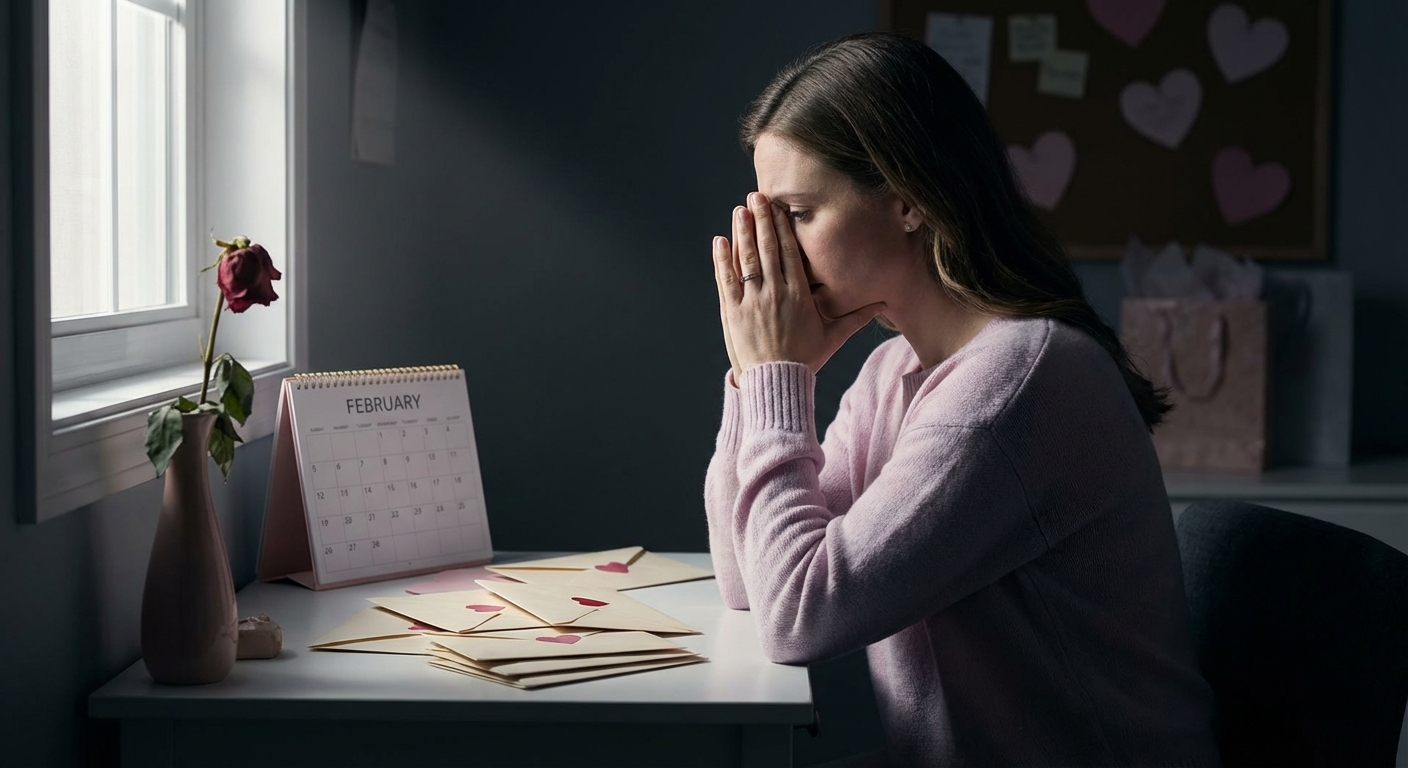
Understanding the Psychological Impact of February’s Cultural Messaging
Walking through the grocery store aisles in Carlsbad during early February feels like walking through a minefield of crimson cardboard and plastic roses. The transition from the January “fresh start” mentality into the high-pressure romance of February happens almost overnight. For many, this month carries a heavy weight that goes far beyond simple holiday commercialism.
It creates a psychological environment where being single isn’t just a relationship status, it’s treated like a problem that needs solving. This cultural shift often triggers a specific kind of Valentine’s Day anxiety that can feel inescapable.
You might find yourself scrolling through social media only to be met with a barrage of curated perfection. Every diamond ring post or candlelit dinner photo serves as a subtle, or not-so-subtle, reminder of what you supposedly lack. It’s a challenging time for anyone, but the pressure is particularly acute for those already managing mental health concerns. At New Growth Counseling, we see how these external messages start to internalize, turning into a persistent inner critic that questions your worth based on your relationship status.
How media bombardment triggers comparison anxiety in single individuals
The sheer volume of romantic imagery in February is designed to sell products, but it also sells a very specific idea of “normalcy.” When every advertisement, movie trailer, and shop window focuses on pairs, individual identity can start to feel invisible. This constant exposure triggers what psychologists call social comparison theory. We don’t just look at our lives; we look at them in relation to others. When the benchmark is an idealized version of love, your own reality often feels like it’s falling short by comparison.
This comparison doesn’t just happen with strangers on billboards. It happens with friends, coworkers, and family members. You might find yourself dreading the question, “Do you have any big plans for the fourteenth?” even when you know the person asking means well. This social scrutiny creates a heightened state of awareness. You begin to monitor your own life through the lens of how others perceive it. This is where the 8 cs can be incredibly helpful, specifically focusing on clarity and calm to navigate the noise of external expectations.
Digital spaces exacerbate this issue significantly. Algorithms prioritize engagement, and nothing drives engagement like high-emotion life events. This means your feed is likely flooded with romantic milestones, which can lead to single relationship pressure that feels personal.
It’s not just that you’re seeing these things; it’s that you’re seeing them while being told that this is the only path to happiness. Breaking out of that thought loop requires conscious effort and often professional support.
The neuroscience behind social pressure and stress response activation
Your brain doesn’t view social exclusion or the “feeling of being left out” as a minor inconvenience. Evolutionarily, being part of a group was essential for survival. When you feel culturally sidelined during the month of February, your brain’s alarm system—the amygdala—can perceive this as a threat to your social standing.
This triggers a stress response that releases cortisol and adrenaline into your system. You aren’t just “sad”; your body is physically reacting to perceived social isolation.
This chemical shift can make it harder to regulate emotions. Chronic stress from social pressure actually impairs the prefrontal cortex, which is the part of your brain responsible for logical reasoning. This is why you might find yourself overthinking a simple text or feeling disproportionately upset about a commercial. Your brain is in a “flight or fight” mode regarding your social identity. Understanding how ifs therapy can provide a framework for talking to these reactive parts of your brain that are trying to protect you from loneliness.
The repetitive nature of these messages creates neural pathways that reinforce negative self-talk. If you hear the message that “love equals worth” enough times, your brain starts to treat it as a factual truth rather than a marketing tactic. Overcoming this requires more than just “positive thinking.” It requires a physiological reset of your stress response. Recognizing that your racing heart or tight chest is a biological reaction to social pressure can be the first step in regaining control over your emotional state.
Why February creates a perfect storm for existing mental health conditions
February is a unique month because it sits at the intersection of several seasonal stressors. We are often still dealing with the shorter, darker days of winter, which can impact our circadian rhythms and mood. When you add the intense cultural focus on romantic intimacy, it creates a “perfect storm” for February depression therapy needs. For those already living with anxiety, the added layer of performance pressure (feeling like you have to prove you’re “okay” being single) can lead to total burnout.
Loneliness is a significant factor, but it’s often compounded by unresolved past experiences. If you are someone who is asking how do i during this season, the holiday serves as a painful anniversary or a reminder of a void. The cultural narrative doesn’t leave much room for grief or quiet reflection. It demands celebration, and for those who aren’t in a place to celebrate, the disconnect between their internal reality and the external world is jarring and isolating.
Furthermore, many people find that their coping mechanisms are stretched thin by the end of winter. Your capacity to “just ignore it” might be lower than it was in November. This is why we see an uptick in people seeking couples & individual during early spring. Addressing these feelings early, rather than waiting for the pressure to subside in March, is crucial for maintaining long-term mental stability. You don’t have to wait for the calendar to change to find relief from the weight of the season.
Recognizing the difference between temporary sadness and clinical depression
It’s normal to feel a bit “blue” or annoyed when Valentine’s Day decorations appear in every store from Carlsbad to Oceanside. Temporary sadness is often tied to specific triggers—like seeing a romantic movie—and usually plateaus or fades after a few hours. However, when those feelings begin to interfere with your ability to work, sleep, or connect with friends, it might be something more serious. Clinical depression isn’t just a mood; it’s a persistent state that colors every aspect of your life regardless of the day’s events.
Key signs that your February funk might be clinical include a total loss of interest in hobbies you usually enjoy, changes in appetite, or a sense of hopelessness that extends beyond relationship status. If you find yourself thinking “I will always be alone” or “I am fundamentally unlovable,” these are cognitive distortions commonly associated with depression. These thoughts are heavy, and they are often too much for one person to carry alone. It’s important to distinguish between “seasonal annoyance” and a genuine mental health crisis that requires professional intervention.
Identifying these differences is the first step toward getting the right kind of help. Are you just dreading a specific Sunday, or have you felt a heavy cloud over your head for several weeks? If the pressure of the month has successfully convinced you that your life is less valuable because you aren’t part of a pair, it’s time to step back and reevaluate. Professional counseling provides the tools to deconstruct these messages and rebuild a sense of self that isn’t dependent on a calendar date or a romantic partner.
Common Anxiety Symptoms That Peak During Valentine’s Season
Physical manifestations of relationship-focused social anxiety
Valentine’s Day anxiety doesn’t just live in your head. It often shows up in your body before you even realize you’re feeling stressed. You might notice a tightness in your chest or a fluttering in your stomach when you walk past those massive floral displays at the grocery store in Carlsbad.
For many singles, the physical response to seasonal pressure is quite real and persistent. You might find your heart racing when checking social media or feel a sudden wave of heat when a coworker asks about your weekend plans. These are physiological signals that your nervous system is on high alert.
Seeking expert therapy can help you identify these somatic symptoms before they spiral into full panic. Understanding how your body reacts to environmental triggers is the first step in regaining control over your physical well-being during high-pressure months.
Common physical signs include:
- Muscle tension especially in the jaw, neck, and shoulders.
- Frequent headaches or migraines triggered by social exhaustion.
- A persistent sense of restlessness or “jitters” throughout the day.
- Nausea or digestive issues whenever social events are mentioned.
Cognitive distortions that intensify during romance-centered holidays
Your brain likes to play tricks on you when you feel left out. During February, these mental traps (or cognitive distortions) become much louder and more convincing. You might find yourself “mind reading” and assuming everyone who sees you dining alone is pitying you.
Another common trap is “catastrophizing” where one solo Valentine’s Day leads you to believe you’ll be alone forever. This binary thinking makes it hard to see the nuance in your life. It turns a temporary calendar date into a permanent statement about your worth.
When these thoughts become overwhelming, many people look for tools like emdr therapy to process the underlying beliefs that fuel this inner critic. Breaking these thought patterns requires conscious effort and often professional guidance to see through the “all-or-nothing” lens.
Look out for “should” statements such as “I should have a partner by this age.” These arbitrary deadlines only serve to increase your internal distress. And they rarely reflect the reality of modern relationships or your personal growth.
Sleep disruption and appetite changes linked to seasonal relationship pressure
High levels of single relationship pressure can wreak havoc on your basic biological rhythms. If you’re lying awake at 2:00 AM scrolling through photos of happy couples, your sleep hygiene is the first thing to go. This lack of rest creates a vicious cycle that makes anxiety harder to manage the next day.
Cortisol, the stress hormone, often peaks when we feel socially isolated or judged. This can lead to significant changes in your appetite. Some people find they lose interest in food entirely while others turn to emotional eating to soothe the discomfort of February depression therapy needs.
If you’re noticing these changes, it’s a sign that the external pressure is impacting your internal health. Consistency in your routine is vital during this month. Try to stick to regular meal times even if you don’t feel particularly hungry to keep your blood sugar stable.
Poor sleep makes you more vulnerable to emotional triggers. When you’re exhausted, an innocent comment from a friend about their Friday night plans can feel like a personal attack. Prioritizing rest is a practical way to build a buffer against seasonal stress.
When avoidance behaviors become problematic coping mechanisms
It’s natural to want to skip the office party or avoid the local bistro on February 14th. But when you start withdrawing from all social interactions to avoid “romance” talk, it becomes a problem. Isolation often feeds the very anxiety you’re trying to escape.
Avoidance provides temporary relief but reinforces the idea that you can’t handle the situation. You might start canceling gym sessions or avoiding your favorite coffee shop just to stay away from heart-shaped decorations. This shrinking of your world only increases feelings of loneliness.
Working with professionals who offer couples & individual can help you find a balance between setting boundaries and retreating too far. Learning to face these triggers without being consumed by them is a key part of long-term resilience.
Ask yourself if your current habits are helping you feel better or just helping you hide. Some indicators of unhealthy avoidance include:
- Muting friends on social media not for peace but out of resentment.
- Ignoring phone calls from supportive family members to avoid “the talk.”
- Spending excessive amounts of time working late to stay distracted.
- Using substances or impulsive shopping to numb the feeling of being single.
Recognizing these behaviors early allows you to pivot toward healthier ways of coping. And remember that the goal isn’t necessarily to love the holiday but to navigate it without losing your sense of self or your mental health.
The Connection Between Single Status and Self-Worth Challenges
Unpacking societal narratives about romantic relationships and personal value
Every February, a subtle yet pervasive message begins to circulate throughout Carlsbad and across the digital world. It suggests that your worth as a person is inextricably tied to your relationship status. This narrative isn’t just a byproduct of greeting card companies or florist marketing. It’s a deeply ingrained cultural script that treats being single as a temporary “waiting room” rather than a valid state of being.
Society often frames romantic love as the ultimate milestone of adulthood. When you don’t have a partner to display on social media or bring to dinner, you might feel like you’re failing a test you never agreed to take. This creates a fertile ground for Valentine’s Day anxiety to take root. You start to view your life through a lens of “deficit” rather than “abundance”, essentially ignoring your career, friendships, and personal growth.
The problem is that these narratives equate partnership with personal success. They ignore the reality that a relationship doesn’t automatically confer happiness or character. If you find yourself measuring your value by the presence of a significant other, it’s worth exploring how individual therapy can help you dismantle these external expectations. Your identity is a complex tapestry, not a binary toggle switch between “coupled” and “alone”.
How attachment styles influence responses to being single during February
The way you experience being single in February often traces back to your early blueprint for connection. Your attachment style dictates how you process the absence of a partner during high-pressure seasons. For those with an anxious attachment style, the heavy romantic focus of the month can feel like a direct threat to their safety and belonging. You might find yourself frantically checking dating apps or ruminating on why past relationships ended.
Avoidant individuals might respond differently by leaning into hyper-independence. They might dismiss the holiday entirely but feel a subsurface level of resentment or isolation they can’t quite name. Meanwhile, those with disorganized attachment may fluctuate between a deep longing for connection and a fear of the vulnerability that comes with it. These internal patterns are amplified when every store window reminds you of what you supposedly lack.
Understanding these dynamics is a core part of the work we do at New Growth Counseling. By identifying your specific triggers, you can learn to self-soothe rather than spiraling into a cycle of “what is wrong with me?” questions. When you look at your history with couples & individual in mind, you begin to see that your reaction to February isn’t a character flaw. It’s a scripted response from your nervous system that can be updated with the right tools.
Addressing internalized shame and feelings of inadequacy
Internalized shame is a quiet, heavy weight that many singles carry throughout the late winter months. It’s that voice in your head whispering that if you were thinner, smarter, or more charismatic, you wouldn’t be alone on February 14th. This shame often leads to February depression therapy searches because the emotional burden becomes too much to manage in isolation. It’s hard to stay objective when your environment is shouting that you are incomplete.
This shame often manifests as “comparative suffering.” You look at your friends in relationships and assume their lives are devoid of the loneliness you feel. But shame thrives in secrecy and comparison. When you bring these feelings into the light, they lose their power over your self-image. You start to realize that being single is a circumstance, not a reflection of your capacity to be loved.
If these feelings of inadequacy have become a constant companion, specialized interventions might be necessary. Some people find that can emdr therapy is a question worth asking when traditional talk therapy doesn’t quite reach the deeper, somatic feeling of “not being enough.” Processing the memories or social rejections that fueled this shame can clear the path for a much healthier self-perception. You deserve to move through the world without feeling like you are an unfinished project.
Building resilience against cultural messaging about relationship status
Resilience isn’t about ignoring the world around you; it’s about developing a strong internal filter. To protect your mental health this month, you have to become an active participant in your own narrative. This starts with curate-ing your environment.
If following certain influencers makes you feel “less than,” it is okay to hit the mute button until March. Protecting your peace is a radical act of self-care.
Building resilience also involves redefining what “milestones” look like for you. Instead of focusing on the absence of a romantic date, focus on the presence of your own autonomy. You have the freedom to spend your time, money, and emotional energy exactly how you choose.
This isn’t just a “consolation prize”; it is a genuine advantage of singlehood that cultural messaging often ignores. What goals have you reached lately that have nothing to do with romance?
Consider these strategies for navigating the pressure:
- Audit your social media: Remove accounts that trigger feelings of inadequacy or envy.
- Practice radical self-compassion: Speak to yourself the way you would speak to a dear friend in the same position.
- Invest in your community: Redirect your energy toward friendships and family members who provide consistent support.
- Reclaim the day: Do something that honors your personal interests and brings you genuine joy, regardless of its “romantic” value.
Building this kind of resilience takes time and intentionality. It is about deciding that your single relationship pressure doesn’t get to dictate the quality of your life. When you stop waiting for someone else to “complete” you, you start living a life that is already whole.
Remember that the calendar is 365 days long, and February is only a small, albeit loud, portion of your year. You are more than a relationship status, and your worth is non-negotiable.
Evidence-Based Coping Strategies for Managing February Anxiety
Mindfulness techniques for staying present during triggering moments
Living in Carlsbad means you are surrounded by beautiful scenery, but it also means seeing couples everywhere during February. Mindfulness helps you stay grounded when a Valentine’s Day display or a romantic social media post triggers a sudden wave of isolation. Instead of letting your mind spiral into the “what ifs” of the future, you can use the 5-4-3-2-1 technique to pull yourself back to the present moment.
Acknowledge five things you see around you right now, like the light hitting the Pacific or a book on your desk. This simple sensory check stops the physiological escalation of anxiety therapy techniques often emphasize, helping your nervous system realize you are safe in the “here and now.” Mindfulness is not about clearing your mind completely, but rather noticing the discomfort without letting it drive your behavior.
You might find that focusing on your breath for just two minutes provides the space needed to respond rather than react. When you feel that tightening in your chest while walking through a store, pause and label the feeling as “a sensation of anxiety” rather than “my reality.” This small shift in perspective creates a buffer between the external pressure and your internal peace.
Cognitive behavioral approaches to challenging negative thought patterns
Anxiety thrives on “all-or-nothing” thinking, especially when February rolls around. You might catch yourself thinking that being single now means you will be alone forever, which is a common cognitive distortion. Cognitive behavioral strategies involve identifying these “hot thoughts” and putting them on trial to see if they hold up to actual evidence.
Start by asking yourself if your thoughts are facts or just feelings influenced by seasonal marketing. Is it true that your worth is tied to a relationship status, or is that a narrative you have inherited from culture? Challenging these scripts allows you to replace them with more balanced statements that reflect your actual life experience and personal values.
Working with a professional at New Growth Counseling can help you unpack these deeply rooted beliefs. Engaging in depression therapy often involves this type of cognitive restructuring to prevent a low mood from becoming a permanent outlook. You deserve to have a mind that is a kind place to live, regardless of what day it is on the calendar.
Creating meaningful social connections beyond romantic partnerships
The cultural obsession with romance often ignores the profound value of platonic and community-based relationships. Humans are social creatures who need belonging, but that belonging does not have to come from a spouse or partner. February is an excellent time to lean into your friendships or local community groups right here in Carlsbad.
Consider hosting a “non-holiday” gathering focused on a shared hobby, such as a hiking group or a book club meeting. These interactions provide the oxytocin boost we crave without the heavy expectations of a romantic date. Building a diverse “social portfolio” ensures that your emotional needs are met by multiple sources, which builds long-term resilience.
And remember, your relationship with yourself is the longest one you will ever have. Investing in couples & individual is a valid way to explore how you relate to others and how you can strengthen your own sense of self. When you feel secure in your primary identity, the absence of a partner feels less like a void and more like a different season of growth.
Practical boundary-setting with well-meaning friends and family
Boundaries are essential when family members or friends start asking prying questions about your dating life. While they might think they are being helpful or supportive, their “check-ins” often just increase your stress levels. You have the right to decide which topics are off-limits during social gatherings or phone calls.
Try using a “broken record” technique where you politely but firmly redirect the conversation. You might say, “I appreciate that you want me to be happy, but I am not talking about my dating life today. Let’s talk about your new project instead.” This keeps the interaction positive while protecting your emotional energy from unnecessary drain.
If there are specific social media accounts or group chats that make you feel inadequate, it is okay to mute them for a few weeks. Setting boundaries with digital content is just as important as setting them with people. By controlling the information you consume, you reduce the triggers that lead to comparison and February-related frustration.
Self-compassion practices for difficult emotional moments
Self-compassion is the practice of treating yourself with the same kindness you would offer a dear friend. Instead of criticizing yourself for feeling lonely or anxious, try validating those feelings as a normal part of the human experience. You are navigating a month that is designed to make you feel like something is missing, so of course it feels heavy sometimes.
A simple self-compassion break involves three steps: acknowledging the pain, recognizing that other people feel this way too, and offering yourself a kind word. You might tell yourself, “This is a hard moment, and I am doing my best to take care of myself.” This shifts your internal state from one of self-judgment to one of gentle support.
Physical comfort also plays a role in self-compassion, whether that is a warm cup of tea or a quiet walk on the beach. Taking these small steps to soothe your nervous system shows that you are an advocate for your own well-being. Over time, these practices build a foundation of self-worth that remains steady regardless of your relationship status or the pressure of the season.
When to Seek Professional Support for Holiday-Related Mental Health Struggles
Identifying signs that anxiety has moved beyond normal seasonal stress
Most of us feel a little bit of a “slump” when the winter months drag on. It is common to feel a fleeting sense of loneliness when every store window in Carlsbad is decorated with red hearts and roses. But there is a distinct line where general Valentine’s Day anxiety turns into something that requires a bit more attention.
You might notice that your sleep patterns have shifted significantly over the last few weeks. Maybe you are staying up late scrolling through social media, or perhaps you find it impossible to get out of bed in the morning. When the weight of being single feels like a physical heaviness that keeps you from your daily routine, it is usually a sign that this is more than just a bad week.
Another major red flag is social withdrawal. Are you turning down invitations to grab coffee at the Village because you don’t want to see couples? If the idea of interacting with friends triggers a spiral of “I’m not good enough,” you are likely dealing with something deeper. It is one thing to want a quiet night in, but it is another to isolate because the world feels threatening.
Pay close attention to your internal dialogue as well. If your thoughts have shifted from “I wish I had a date” to “I am fundamentally unlovable,” that is a cognitive distortion. These types of absolute statements can fuel February depression therapy needs because they warp your sense of reality. When these thoughts start impacting your work or your health, it is time to reach out for a professional perspective.
How different therapy modalities address relationship anxiety and self-esteem
Therapy is not a one-size-fits-all experience, and different tools work for different types of internal conflict. For many people struggling with the pressure of February, Cognitive Behavioral Therapy (CBT) is an excellent starting point. It helps you identify the specific thoughts that trigger your anxiety and replace them with more balanced perspectives.
Sometimes the pain we feel during the “season of love” isn’t actually about the present moment. It might be tied to past losses or breakups that haven’t been fully processed. In these cases, grief counseling can be surprisingly effective for singles who are mourning the life they thought they would have by now.
If your core issue is a lack of confidence, you might find that self-esteem therapy provides the framework you need to stop seeking external validation. This approach focuses on building a “solid self” that doesn’t crumble just because a holiday emphasizes romantic partnerships. You learn to value your own company and recognize your inherent worth outside of a relationship status.
We often use couples & individual techniques to help people understand their attachment styles. If you notice a pattern of “chasing” partners or pushing people away, exploring these attachment bonds can be eye-opening. Understanding your “why” makes the “how” of healing much easier to manage during high-pressure months.
What to expect from your first therapy session about relationship concerns
Walking into your first session can feel a little bit like a first date, which is ironic if that is exactly what you are trying to avoid. But the dynamic here is entirely different. Your therapist is there to listen without judgment and help you map out exactly what is making this month so difficult for you.
During the initial intake, you can expect some standard questions about your personal history and your current symptoms. We will likely ask about your support system in Carlsbad and what your typical day looks like. It is helpful to be honest about how much the single relationship pressure is actually impacting your focus at work or your physical health.
You don’t need to have a “grand plan” or a list of goals ready to go. Many people start by simply saying, “I feel miserable right now and I don’t know why.” That is a perfectly valid starting point. We spend the first hour just getting to know the “you” behind the anxiety so we can create a path forward together.
It is also a time for you to ask questions. You might want to know how the therapist handles topics like dating apps, loneliness, or family expectations. Remember that this is a collaborative space. You are the expert on your life, and the therapist is the expert on the psychological tools that can help you navigate it.
Finding the right therapeutic fit for your specific needs and goals
The “click” between a therapist and a client is actually one of the biggest predictors of success in counseling. You should feel comfortable enough to say the things you wouldn’t even tell your best friend. If you feel like you have to perform or “act okay” during your session, it might not be the right match for you.
Think about what you value in a conversation. Do you want someone who is more of a “blank slate” and lets you lead, or do you prefer a therapist who offers direct feedback and homework? Some people want a therapist who understands the specific cultural nuances of living in Southern California, while others care more about specific clinical certifications.
Don’t be afraid to “shop around” a little bit. Most practices offer a brief phone consultation to see if the personalities align. If you are specifically looking for couples & individual experts, ask them about their philosophy on singleness. You want someone who views being single as a valid life stage, not a “problem” that needs to be “fixed” immediately.
Building a relationship with a therapist takes a few sessions, so give it a little time. But trust your gut. If you leave feeling heard and slightly more hopeful, you are on the right track. The goal is to find a safe harbor where the external noise of Valentine’s Day and social media disappears, leaving just you and your path to healing.
Building Long-Term Emotional Resilience Beyond February
Developing a year-round practice of self-acceptance and personal growth
The intensity of mid-February often highlights internal voids that we ignore during busier months. But emotional health isn’t a seasonal project that ends when the red decorations come down. Real growth involves moving away from the idea that your life is on hold until you reach a specific relationship milestone. It requires a consistent commitment to your own mental wellness every single day.
When you focus on couples & individual, you begin to see that the relationship you have with yourself is the foundation for everything else. This involves setting goals that have nothing to do with a partner. Maybe it’s finally mastering a new hobby or improving your physical health. These personal wins build a sense of agency and competence that protects you from external societal pressures.
Self-acceptance doesn’t mean you stop wanting a partner in the future. It means you stop punishing yourself for being single in the present. You can acknowledge the desire for companionship while still finding deep satisfaction in your current reality. This balance reduces the weight of expectations and allows you to enjoy your life as it is now.
Try to identify one or two areas of your life where you feel stagnant. Is it your career, your social life, or perhaps your emotional regulation? By investing in these areas consistently, you create a life that feels full and meaningful regardless of your relationship status. This year-round focus prevents the “emergency” feeling that often strikes during the winter months.
Creating support systems that validate single experiences
Isolation is one of the biggest drivers of Valentine’s Day anxiety. When your social circle consists entirely of couples, it’s easy to feel like an outlier or a “third wheel.” You need a diverse support system that includes people who understand and validate your current stage of life. This isn’t about avoiding coupled friends, but rather about broadening your community to include other perspectives.
Building these connections takes effort and intentionality. You might look for local groups in Carlsbad centered around shared interests rather than dating. Whether it’s a hiking club, a book group, or a volunteer organization, being part of a community reminds you that there are many ways to belong. These interactions provide the social nourishment we all need to thrive emotionally.
Validation also comes from professional support. Sometimes, friends and family (even well-meaning ones) can inadvertently pressure you with questions about your dating life. A therapist provides a neutral space where you can explore your feelings without judgment. They can help you recognize that your worth is not tied to your ability to secure a date for a specific holiday.
Look for spaces where your status is “the norm” rather than the exception. When you surround yourself with people who are also thriving independently, the cultural obsession with romance loses its power. You start to see that “single” is a valid and often vibrant way to live. This community support acts as a buffer against the loneliness that February can trigger.
Reframing cultural holidays through a mental wellness lens
Most holidays are marketing constructs designed to drive spending. Once you see the commercial gears turning, it becomes easier to distance yourself from the emotional weight they carry. Reframing February involves looking at it as a time for personal reflection rather than a test of your romantic success. You can choose to participate on your own terms or not at all.
Instead of viewing Feb 14th as “Singles Awareness Day,” try viewing it as a day to celebrate all forms of love. This includes the love you have for your parents, your pets, or your closest friends. Small acts of kindness toward others can shift your focus from what you lack to what you “have” in abundance. It’s about recalibrating your emotional compass toward gratitude.
You can also use this time to audit your social media consumption. If seeing “perfect” couple posts triggers February depression therapy needs, then it’s time to log off. Curate your digital environment so it reflects reality rather than a filtered highlights reel. Protecting your mental peace is more important than keeping up with an artificial cultural narrative.
What if you treated the day like any other Tuesday? There is power in the mundane. By removing the “special” status of the day, you strip away its ability to cause distress. You are in control of the meaning you assign to the calendar. Choose a meaning that supports your peace of mind and reinforces your self-worth.
Preparing for future triggering seasons with preventive strategies
Resilience is built during the “calm” periods of the year. If you know that certain dates or seasons trigger single relationship pressure, you can plan for them in advance. This proactive approach ensures you aren’t caught off guard when the atmosphere shifts next year. It’s about having a mental health toolkit ready to go whenever the pressure starts to rise.
Start by identifying your specific triggers. Is it the jewelry commercials? The office parties? Once you know what bothers you, you can create “if-then” plans. If you start feeling overwhelmed by social media, then you will take a three-day digital detox. Having these strategies in place reduces the fear of the unknown and gives you a sense of control.
Consider the benefits of couples & individual as a preventive measure. Working with a professional allows you to process underlying anxieties before they peak during high-pressure months. In Carlsbad, we help individuals develop the tools needed to maintain stability through every season of life. You don’t have to wait for a crisis to seek support.
The goal is to move from a state of “reacting” to a state of “thriving.” By implementing these strategies now, you are investing in a future where February is just another month. You deserve to feel secure, valued, and whole every day of the year. Take the first step toward long-term resilience by reaching out for professional guidance today. Our team is here to help you build the emotional strength you need to navigate life with confidence.