
Understanding the Psychology Behind Graduation Anxiety
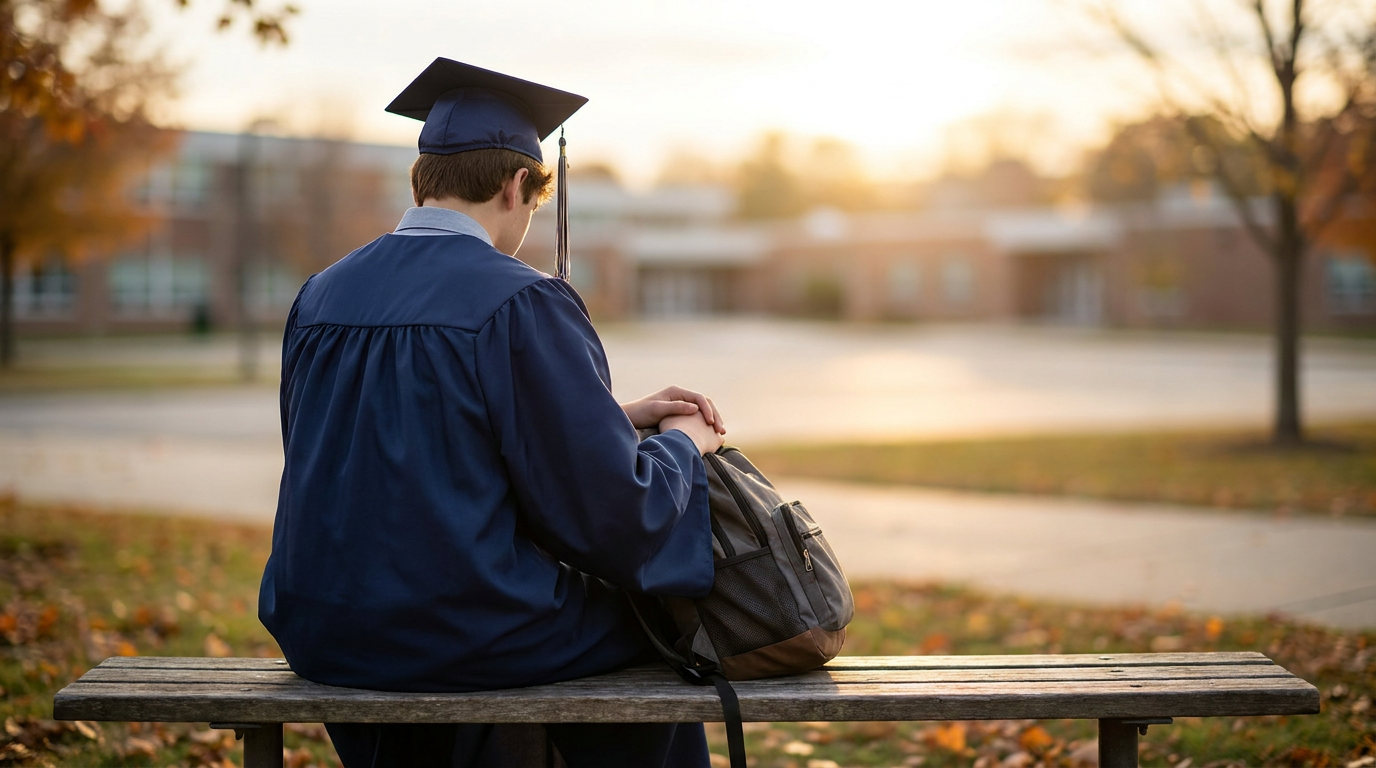
The cap and gown are ordered, senior photos are scheduled, and college acceptance letters are arriving. But instead of celebration, your teen seems overwhelmed, anxious, and sometimes even withdrawn. You’re witnessing something countless families across Carlsbad experience each May: graduation anxiety that goes far beyond typical pre-ceremony jitters.
This intense emotional response isn’t weakness or immaturity. It’s a normal psychological reaction to one of life’s most significant transitions, amplified by the unique pressures facing today’s graduating class.
Why Major Life Transitions Trigger Anxiety in Adolescents
The teenage brain is still developing, particularly the prefrontal cortex responsible for executive functioning and emotional regulation. During major transitions like graduation, this developmental reality creates a perfect storm for anxiety. Research shows that adolescents process uncertainty and change differently than adults, often experiencing heightened stress responses to situations that represent the unknown.
Graduation represents the end of a structured, familiar environment and the beginning of uncharted territory. For teens who’ve spent 12-13 years in the same educational system, this shift feels monumental. The brain interprets this change as potential threat, triggering fight-or-flight responses even when the transition is positive.
Additionally, teens are naturally focused on peer relationships and social belonging. Graduation often means separation from close friends, dating relationships, and established social circles. This anticipated loss of connection can feel devastating to an adolescent whose identity is deeply intertwined with their peer group.
The Unique Pressures Facing Today’s Graduating Teens
Today’s graduating seniors face pressures previous generations never experienced. Social media creates constant comparison with peers, amplifying feelings of inadequacy about college choices, career paths, or post-graduation plans. The “highlight reel” effect means teens see curated versions of their classmates’ successes while struggling with their own uncertainties.
Financial concerns add another layer of stress. Many teens witness family discussions about college costs, student loans, and economic uncertainty. They feel pressure to make “perfect” choices about their future to justify the investment, creating paralysis around decision-making.
The competitive college admissions landscape has also intensified. Teens who’ve spent years building resumes for college applications suddenly face the reality that their worth isn’t determined by achievements. This identity crisis often emerges right as they’re preparing to leave home.
Furthermore, recent global events have created additional uncertainty about the future. Climate concerns, political division, and economic instability contribute to a general sense of unease about what lies ahead, making the transition feel even more daunting.
Recognizing Normal vs. Clinical Anxiety Symptoms
Some graduation anxiety is completely normal and expected. Mild nervousness about the future, occasional sleep disruption, or increased emotionality around graduation milestones typically resolve as teens adjust to their new reality.
However, certain symptoms warrant professional support when they persist or significantly impact daily functioning. Clinical anxiety symptoms include persistent panic attacks, complete avoidance of graduation-related activities, severe sleep disturbances lasting weeks, or withdrawal from previously enjoyed activities.
Physical symptoms like chronic headaches, digestive issues, or unexplained fatigue can also indicate anxiety requiring intervention. When teens express hopelessness about their future or make statements about not wanting to participate in graduation ceremonies they previously anticipated, this signals the need for additional support.
Academic performance changes, such as sudden grade drops in final months or inability to complete senior projects, often reflect anxiety rather than laziness or senioritis.
How Identity Development Complicates Transition Periods
Adolescence is fundamentally about identity formation, and graduation occurs right in the middle of this crucial developmental process. Teens are asking themselves “Who am I?” just as they’re expected to make major life decisions about college, careers, and independence.
The structured environment of high school provides external identity markers: student athlete, honor roll student, drama club member. Graduation removes these familiar labels, leaving teens to discover who they are without institutional roles. This identity uncertainty feels threatening because teens haven’t yet developed the emotional tools adults use to navigate ambiguity.
Many graduating seniors also struggle with imposter syndrome, wondering if they truly deserve their achievements or if they’re prepared for adult responsibilities. They may have excelled academically but feel unprepared for practical life skills, creating a disconnect between external success and internal confidence.
Parents who notice persistent anxiety symptoms might benefit from exploring specialized support designed specifically for navigating these complex developmental challenges. Professional guidance can help distinguish between normal transition stress and anxiety requiring therapeutic intervention.
Early Warning Signs Every Parent Should Recognize
Changes in Sleep Patterns and Academic Performance
The first signs of teen transition anxiety often show up where parents look least: in the quiet hours after midnight and in grade reports that seem confusing given your teen’s usual performance. Many parents notice their graduating teen staying up later, scrolling through their phone or claiming they “can’t sleep.” But this isn’t just typical teenage behavior when it becomes a consistent pattern throughout senior year.
Sleep disruption in anxious teens typically follows a specific pattern. They might fall asleep easily but wake up at 3 AM with racing thoughts about college applications, job interviews, or leaving home. Others find themselves lying awake for hours, mind spinning through worst-case scenarios about their post-graduation plans. This sleep loss creates a cascade effect that impacts everything else.
Academic performance changes can be particularly puzzling because they don’t always look like what you’d expect. Some teens become perfectionist overachievers, staying up all night to revise already-excellent papers. Others might suddenly struggle with assignments they used to complete easily, not because they don’t understand the material, but because anxiety makes concentration nearly impossible. Teachers in Carlsbad schools often notice seniors who seem “checked out” during spring semester, even when they’re physically present.
The connection between sleep and academic performance becomes especially clear when you consider that graduation anxiety affects executive functioning. Your teen might forget assignments, struggle to prioritize tasks, or feel overwhelmed by relatively simple decisions about their schedule.
Social Withdrawal and Relationship Shifts
Teens experiencing transition anxiety often start pulling away from the very relationships that could provide support. This withdrawal isn’t always dramatic; sometimes it’s subtle changes that parents might initially dismiss as normal senior year behavior.
You might notice your teen spending less time with their usual friend group, declining invitations to activities they used to enjoy, or seeming distant during family gatherings. They might express frustration with friends who seem “immature” or complain that “no one understands” what they’re going through. This isolation often stems from anxiety about growing apart from friends or fear that talking about their worries will make them seem weak.
Family relationships frequently shift during this period too. Some teens become clingy, suddenly wanting more time with parents after months of typical adolescent independence. Others push family away, creating conflict as a way to make leaving home feel easier. Both responses signal internal struggle with the approaching transition.
Social media use often changes as well. Anxious teens might obsessively compare themselves to classmates who seem more confident about their post-graduation plans, or they might avoid social platforms altogether to escape reminders of the approaching change. When these patterns persist and interfere with daily functioning, professional support through teen anxiety counseling can provide valuable coping strategies.
Physical Symptoms That Often Go Unnoticed
Teen transition anxiety frequently manifests in physical ways that parents might not immediately connect to emotional stress. These symptoms are real, not “just in their head,” and they deserve attention and validation.
Headaches become increasingly common, often described as pressure or tension rather than sharp pain. Stomachaches, particularly in the morning before school or when discussing future plans, signal anxiety’s impact on the digestive system. Some teens experience muscle tension, especially in their shoulders and neck, from carrying stress in their bodies.
Changes in appetite represent another significant indicator. Some anxious teens lose interest in food entirely, while others might seek comfort through eating. Neither pattern is about the food itself; both reflect the body’s response to sustained stress and uncertainty.
Fatigue that seems disproportionate to activity level often puzzles parents, especially when combined with sleep difficulties. This exhaustion comes from the mental energy required to manage constant worry and uncertainty about the future.
When Avoidance Behaviors Signal Deeper Concerns
Perhaps the most concerning early warning sign involves avoidance behaviors that interfere with important graduation-related activities. When teens start skipping college visits, avoiding scholarship applications, or refusing to discuss post-graduation plans, anxiety might be driving these choices.
Some teens avoid specific triggers while functioning normally in other areas. They might complete all their regular schoolwork but procrastinate on college applications, or enthusiastically plan summer activities while refusing to discuss fall semester. This selective avoidance often indicates that certain aspects of the transition feel particularly overwhelming.
More concerning patterns include avoiding school entirely, declining previously accepted college admission offers without clear reasoning, or expressing thoughts about “just staying home” instead of moving forward with any post-graduation plans. When avoidance behaviors significantly impact daily functioning or major life decisions, professional support becomes essential.
The key distinction lies in duration and impact. Temporary anxiety about big changes is normal, but persistent avoidance that prevents your teen from taking necessary steps toward their future requires intervention. Parents who notice these patterns shouldn’t wait for them to resolve independently.
Creating a Supportive Home Environment During Transition
Balancing Independence with Emotional Safety
The biggest challenge parents face during their teen’s graduation transition is walking the tightrope between fostering independence and providing emotional safety. Your 17 or 18-year-old needs to feel capable of handling life’s decisions, but they also need to know you’re available when anxiety hits.
This balance looks different for every family. Some teens in Carlsbad thrive when given complete autonomy over college choices, while others need structured check-ins and collaborative decision-making. The key is reading your teen’s specific needs rather than assuming what worked for their older sibling (or your friend’s kid) will work for them.
Consider creating “independence zones” in your home where your teen has full control. Maybe they manage their own laundry schedule, choose their summer job, or decide how to spend graduation money. These controlled opportunities to practice adult decisions build confidence without overwhelming them with life-changing choices all at once.
But independence doesn’t mean isolation. Keep your emotional door open by staying curious rather than worried. Instead of “Are you anxious about college?” try “What’s been on your mind lately?” This subtle shift invites connection without immediately jumping to problem-solving mode.
Communication Strategies That Actually Work with Anxious Teens
Anxious teens often shut down when they feel interrogated or judged, so your communication approach needs to be strategic. The most effective conversations happen during side-by-side activities rather than face-to-face confrontations. Car rides, cooking together, or evening walks create natural opportunities for deeper discussions.
Timing matters enormously. Avoid bringing up sensitive topics when your teen is stressed about immediate concerns like final exams or college applications. Instead, look for moments when they seem relatively calm and open.
When your teen does share their worries, resist the urge to immediately offer solutions. Anxious teens need validation first. Try reflecting back what you hear: “It sounds like you’re worried about making friends at college” rather than jumping to “You’ll be fine, you’re so social!” This approach, used in anxiety-focused therapy with teens, helps them feel heard before problem-solving begins.
Create regular, low-pressure check-ins that don’t feel like interrogations. Maybe it’s a weekly coffee run or a Sunday evening chat while folding laundry. These consistent moments give your teen predictable opportunities to share without feeling ambushed.
Managing Your Own Parental Anxiety and Expectations
Your teen’s graduation transition anxiety often mirrors your own fears about letting go. Parents in Southern California frequently struggle with their own worries about college costs, safety concerns, and whether they’ve adequately prepared their teen for independence.
Your anxiety is contagious. When you’re internally panicking about whether your teen will remember to eat vegetables or do laundry, they pick up on that energy and often internalize it as evidence that they’re not capable of handling adult responsibilities.
Take an honest inventory of your expectations. Are you worried about your teen’s actual wellbeing, or are you concerned about how their choices reflect on your parenting? Sometimes the pressure we put on graduation transitions has more to do with our own unresolved fears than our teen’s actual needs.
Consider getting your own support during this transition. Whether through conversations with other parents, personal therapy, or couples & individual to process how this life change affects your relationship, taking care of your own emotional needs helps you show up more calmly for your teen.
Building Confidence Through Gradual Exposure to New Experiences
Confidence grows through repeated experiences of handling challenges successfully, not through avoiding them. The months before graduation offer perfect opportunities for graduated exposure to independence-building experiences.
Start small with low-stakes situations. Let your teen handle scheduling their own medical appointments, managing their own bank account, or navigating customer service issues. These seemingly mundane tasks build the practical life skills that reduce anxiety about adult responsibilities.
Create opportunities for your teen to experience success in unfamiliar situations. This might mean encouraging them to attend a summer program, take a part-time job, or spend extended time with relatives in another city. Each positive experience of adapting to new circumstances builds their confidence in their own resilience.
When challenges arise during these experiences, resist the urge to immediately rescue. Instead, offer emotional support while letting them work through solutions. This teaches them that they can handle difficult situations and that temporary discomfort doesn’t require immediate intervention.
If your teen’s anxiety about new experiences feels overwhelming or interferes with their daily functioning, professional support can be invaluable. Understanding when to seek helps ensure your teen gets the tools they need for successful transitions.
Professional Support Options for Graduating Teens
When to Consider Individual Therapy for Your Teen
Graduation anxiety becomes a concern for professional intervention when it significantly disrupts your teen’s daily functioning or sleep patterns. If your graduating senior is experiencing panic attacks, avoiding college planning conversations entirely, or expressing hopelessness about their future, these are clear indicators that individual therapy could provide essential support during this transition.
Watch for persistent physical symptoms like headaches, stomach issues, or changes in appetite that coincide with graduation discussions. Many teens in Carlsbad experience what therapists call “anticipatory anxiety” – worry that intensifies as graduation approaches, even when they’re academically prepared. When this anxiety interferes with relationships, school performance, or prevents them from making necessary post-graduation decisions, professional support becomes valuable.
Individual therapy offers teens a confidential space to process fears about independence, social changes, and academic pressure without worrying about disappointing parents. This private therapeutic relationship often helps graduating teens develop coping strategies they’ll use throughout their adult lives.
How Family Therapy Can Strengthen Transition Support
Family therapy addresses graduation anxiety as a family system issue rather than solely the teen’s problem. During these sessions, families learn how their communication patterns might inadvertently increase pressure on the graduating teen. Parents often discover they’re projecting their own college or career anxieties onto their child’s transition process.
These therapeutic sessions help families establish realistic expectations for post-graduation life while maintaining emotional connection. Many Southern California families find that graduation triggers different grief responses – parents mourning their teen’s childhood while teens mourn familiar routines and relationships.
Family therapy teaches practical skills for supporting an anxious teen without enabling avoidance behaviors. Parents learn when to step in with guidance versus when to allow their teen to navigate challenges independently. This balance becomes crucial as teens prepare for increased autonomy in college or work settings.
Evidence-Based Approaches for Teen Anxiety Treatment
Cognitive Behavioral Therapy (CBT) consistently shows strong research support for treating teen transition anxiety. This approach helps graduating teens identify catastrophic thinking patterns about their future and develop more balanced perspectives. CBT techniques teach teens to challenge thoughts like “I’ll fail at college” with evidence-based reality testing.
Acceptance and Commitment Therapy (ACT) helps teens accept uncertainty about their future while committing to values-based actions despite anxiety. For graduating teens, this might mean applying to colleges or jobs even while feeling nervous about the outcomes. ACT acknowledges that some anxiety about major life transitions is normal and manageable.
Mindfulness-based interventions teach teens practical tools for managing physical anxiety symptoms. These techniques prove particularly helpful during high-stress periods like college applications, final exams, or job interviews. Research indicates that teens who learn mindfulness skills during graduation transitions report better adjustment to college life.
Eye Movement Desensitization and Reprocessing (EMDR) can address underlying trauma that contributes to graduation anxiety, particularly for teens who’ve experienced academic failures or social rejection that now amplifies transition fears.
Questions to Ask When Selecting a Teen Mental Health Professional
Start by asking potential therapists about their specific experience treating teen transition anxiety and graduation-related concerns. Inquire about their training in evidence-based approaches like CBT or ACT, and whether they’ve worked with teens facing similar post-graduation paths as your child (college-bound, gap year, workforce entry).
Ask about their approach to involving parents in treatment. Some teens benefit from periodic family sessions, while others need completely independent therapeutic relationships. Understanding the therapist’s philosophy on parent involvement helps ensure alignment with your family’s needs and your teen’s comfort level.
Discuss practical logistics that matter for busy graduating teens: session scheduling flexibility during finals, availability for crisis support if anxiety escalates, and their experience with college mental health transitions. When selecting a teen, consider whether they can provide continuity of care during summer before college or coordinate with campus counseling services.
Finally, inquire about their success metrics for teen transition anxiety treatment. Experienced therapists should describe specific improvements you might expect to see and realistic timelines for therapeutic progress during this intensive life transition period.
Practical Coping Strategies for May and Beyond
Teaching Mindfulness and Grounding Techniques
When your teen feels overwhelmed by graduation anxiety, teaching them mindfulness techniques provides immediate relief and long-term coping skills. The 5-4-3-2-1 grounding technique works particularly well during stressful moments like college application deadlines or job interviews. Have your teen identify five things they can see, four they can touch, three they can hear, two they can smell, and one they can taste.
Box breathing offers another powerful tool for managing acute anxiety. Guide your teen to breathe in for four counts, hold for four, exhale for four, and hold for four. This technique becomes especially valuable during high-pressure situations like final exams or graduation ceremonies. Practice these techniques together during calm moments so they feel natural when stress hits.
Creating a daily mindfulness routine, even just five minutes, helps build resilience before anxiety escalates. Apps designed for teens or simple meditation practices can make this feel less intimidating. Many Carlsbad teens find morning mindfulness particularly helpful before tackling college preparation tasks or navigating senior year social pressures.
Helping Your Teen Develop Problem-Solving Skills
Breaking down overwhelming decisions into manageable steps reduces anxiety and builds confidence. When your teen faces choices about college, gap years, or career paths, guide them through identifying the specific problem, brainstorming possible solutions, evaluating pros and cons, and taking one small action step.
The “what’s the worst that could happen” exercise often reveals that feared outcomes aren’t as catastrophic as anxiety makes them seem. Help your teen walk through realistic scenarios and backup plans. If they don’t get into their first-choice college, what other options exist? If a job interview doesn’t go well, what can they learn for next time?
Encourage your teen to practice decision-making with lower-stakes choices first. Should they take that summer job or focus on college prep? Which extracurricular activities matter most senior year? Building confidence with smaller decisions prepares them for bigger life choices. Professional anxiety therapy can provide additional tools when teens struggle with persistent worry or decision paralysis.
Creating Structure During Uncertain Times
Maintaining consistent routines provides stability when everything else feels uncertain. Help your teen establish regular sleep and wake times, even during summer break or college prep periods. Structure doesn’t mean rigid scheduling, but rather creating predictable anchors throughout their day.
Build in both productivity time and relaxation periods. Your teen might dedicate mornings to college applications or job searches, then have afternoons free for friends or hobbies. This balance prevents burnout while maintaining forward momentum. Include regular meal times and physical activity to support overall mental health.
Create weekly check-ins to review goals and adjust plans as needed. What worked this week? What felt overwhelming? These conversations help your teen develop self-awareness and problem-solving skills while showing your ongoing support. Flexibility within structure teaches them to adapt when plans change, a crucial skill for the transition ahead.
Building a Support Network Beyond Family
While family support remains crucial, teens benefit from multiple sources of guidance and encouragement. Encourage connections with school counselors, teachers, or mentors who can provide different perspectives on post-graduation planning. These relationships often continue beyond high school and offer valuable professional networks.
Peer support groups, whether formal or informal, help teens realize they’re not alone in their struggles. Study groups, volunteer organizations, or interest-based clubs create opportunities for meaningful connections with others facing similar transitions. Many teens find comfort knowing their friends share similar worries about the future.
Consider involving extended family members or family friends who’ve successfully navigated similar transitions. Sometimes teens hear advice differently when it comes from someone other than their parents. Professional support through family therapy can also help when family dynamics create additional stress during this transition period.
Online communities focused on specific interests or career paths can provide ongoing support and information. Whether your teen connects with future college classmates through social media or joins professional groups related to their career interests, these networks extend support beyond your local community. The key is helping them identify trustworthy sources and maintain healthy boundaries in digital spaces.
Planning for Long-Term Success After Graduation
Setting Realistic Expectations for the Summer Transition
The months between graduation and the next chapter often feel like limbo for teens. Many families expect this summer to be purely celebratory, but the reality is more complex. Your teen might experience unexpected waves of anxiety, mood swings, or a sense of being “stuck” between their old life and what’s coming next.
Rather than pushing for constant productivity or forcing excitement about the future, allow space for this natural adjustment period. Some days your teen might feel motivated to tackle college prep or job applications, while other days they might need to process the magnitude of change happening in their life. Both responses are completely normal parts of managing teen transition anxiety.
Create structure without overwhelming pressure. Maybe that means maintaining some routines from the school year while allowing flexibility for new experiences. The goal isn’t to eliminate uncertainty but to help your teen develop comfort with the unknown aspects of growing up.
Preparing for College or Career-Related Anxiety
Whether your teen is heading to college, entering the workforce, or taking a gap year, anticipatory anxiety about their next step is incredibly common. The fear of making the “wrong” choice can paralyze decision-making and create significant distress during what should be an exciting time.
Help your teen understand that their first choice doesn’t have to be their forever choice. College majors can change, career paths can evolve, and gap years can provide valuable clarity. When teens realize they have permission to adjust course, the pressure to make perfect decisions decreases substantially.
Practice specific scenarios together. Role-play introducing themselves to roommates, asking for help in new environments, or handling homesickness. These concrete preparation strategies give teens tools for managing graduation anxiety therapy needs before they arise. The more prepared they feel for common challenges, the more confident they become in their ability to handle unexpected ones.
Maintaining Mental Health Through Major Life Changes
Transitions naturally disrupt the coping strategies that worked during high school. Your teen’s support system, daily routines, and familiar environments are all changing simultaneously. Without intentional planning, their teen mental health can suffer during this vulnerable period.
Encourage your teen to identify which current coping strategies they want to maintain and which new ones they might need to develop. Maybe they’ve relied on seeing friends daily at school, but now they’ll need to be more intentional about social connections. Or perhaps they’ve used sports as their primary stress outlet, but their new environment doesn’t offer the same opportunities.
Building resilience means teaching teens to recognize their own warning signs of increased anxiety or depression. When they can identify early symptoms, they can take proactive steps before problems become overwhelming. This self-awareness becomes especially crucial as they navigate increased independence.
Discuss how seeking support looks different in adult environments compared to high school. Whether that’s utilizing campus counseling services, finding community resources, or maintaining connections with couples & individual providers, normalizing help-seeking prevents teens from struggling alone when challenges arise.
When to Continue Professional Support Beyond High School
Many families wonder whether their teen still needs professional support once they graduate. The answer often depends on how well your teen has internalized coping strategies and whether they feel confident managing stress independently.
Consider continuing teen counseling through the summer if your teen is still developing essential skills like emotional regulation, communication, or anxiety management. This transitional period offers unique opportunities to practice new tools while still having family support nearby.
Even teens who feel ready for independence might benefit from periodic check-ins with a therapist during their first year away from home. Having an established relationship makes it easier to reach out if unexpected challenges arise, whether academic stress, relationship issues, or mental health concerns.
Graduation represents both an ending and a beginning for your teen. While some anxiety about the future is normal and even healthy, excessive worry shouldn’t overshadow this important milestone. Professional support can help your family navigate this transition with confidence, ensuring your teen has the tools and resilience needed for whatever comes next. If you’re concerned about how your teen is managing this transition, contact our team to discuss how we can support your family during this important time.