
Why May Graduations Intensify Family Relationship Patterns
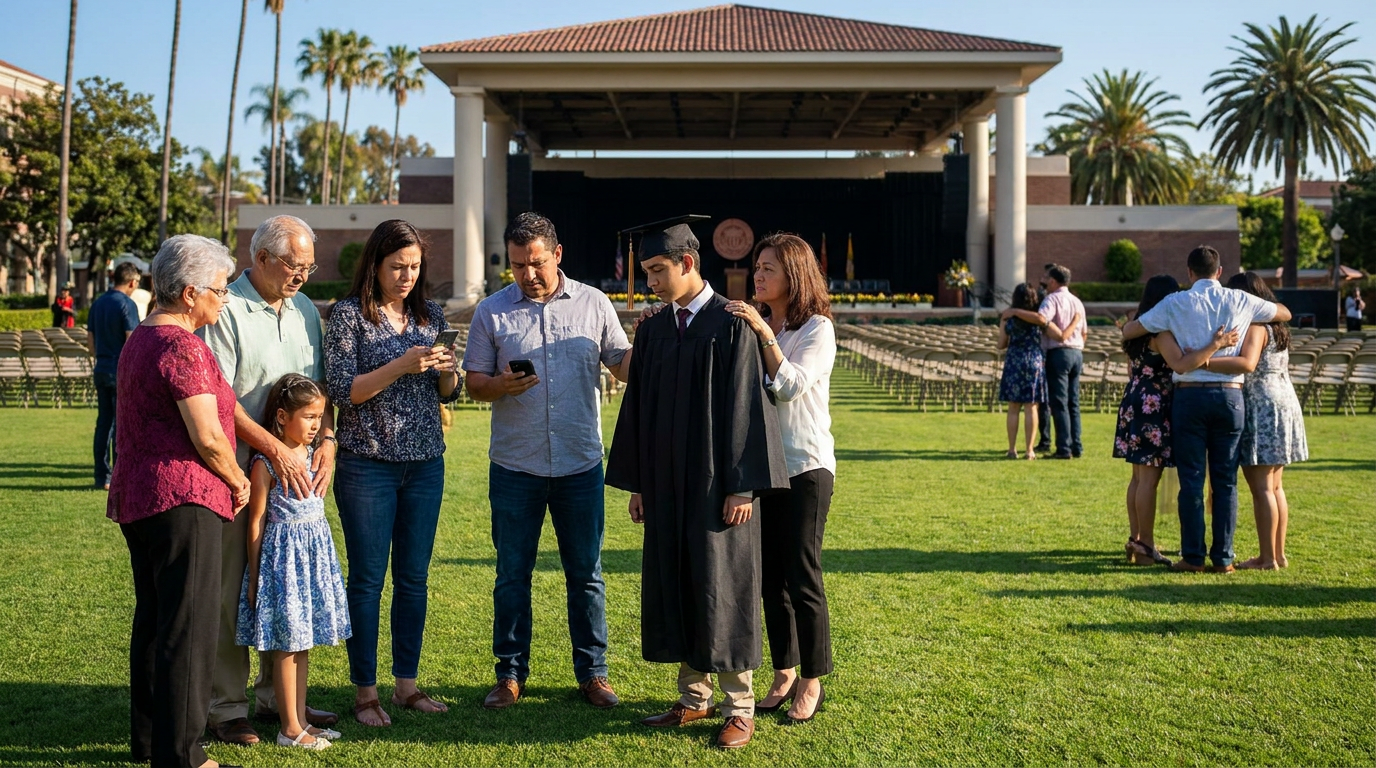
Understanding Why Graduations Trigger Family Dynamics
Every May, families across Southern California gather to celebrate graduation ceremonies, but these milestone moments often reveal more than academic achievements. Behind the proud smiles and photo opportunities, complex family dynamics intensify in ways that catch many people off guard. What starts as a celebration can quickly become a source of unexpected tension, bringing long-standing relationship patterns to the surface.
Graduation ceremonies trigger something deeper than simple scheduling conflicts or guest list disputes. These events act as magnifying glasses for existing family relationships, amplifying both the strengths and the fractures that have been quietly developing over time. Understanding why this happens can help families navigate these celebrations with greater awareness and less conflict.
The Psychology of Milestone Transitions
Graduations represent significant transitions that fundamentally alter family structures and roles. When a child graduates from high school or college, parents must psychologically adjust to their child’s increasing independence. This shift activates what therapists call “transition anxiety” in family systems.
The graduating student faces their own identity questions during this period. They’re caught between childhood dependency and adult autonomy, which creates internal stress that often gets expressed through family interactions. Parents might find themselves feeling protective one moment and proud the next, creating emotional whiplash within the family unit.
Research shows that major life transitions trigger our nervous systems to become hypervigilant about relationships. Family members unconsciously scan for signs of connection or disconnection, making everyone more sensitive to perceived slights or emotional distance. This heightened awareness means small interactions carry more emotional weight than usual.
The celebration itself becomes a performance of family unity, which can feel inauthentic when underlying tensions exist. Families often feel pressure to present a cohesive front during graduation ceremonies, but this performance can actually increase stress rather than reduce it.
How Life Changes Activate Existing Patterns
Every family develops patterns of communication, conflict resolution, and emotional expression over years of shared experiences. These patterns usually remain relatively stable during routine periods, but major life changes like graduations disrupt the familiar rhythms that keep these patterns in balance.
Consider a family where one parent typically manages logistics while the other provides emotional support. During graduation season, both roles become intensely activated simultaneously. The logistical parent might feel overwhelmed by venue bookings, party planning, and guest coordination. Meanwhile, the emotionally supportive parent might struggle with the bittersweet feelings of their child’s increasing independence.
When family members feel stressed, they often revert to their most familiar coping strategies, even when those strategies aren’t particularly effective. The parent who usually controls situations might become more controlling. The family member who typically withdraws during conflict might become even more distant. These intensified patterns can create emotional disconnection just when families need connection most.
Siblings also feel the impact of these activated patterns. The graduating child might receive increased attention and resources, causing other children to feel overlooked or resentful. These feelings often get expressed indirectly through behavior changes or family conflicts that seem unrelated to the graduation itself.
Identity Shifts Within Family Systems
Graduation ceremonies mark formal recognition of personal growth and achievement, but they also signal shifting roles within family systems. Parents must begin relating to their child as an emerging adult rather than a dependent student. This identity shift requires emotional and psychological adjustments that don’t happen overnight.
The graduating student experiences their own identity confusion during this transition. They might feel simultaneously ready for independence and anxious about losing family support. This internal conflict often gets projected onto family relationships, creating confusion about boundaries and expectations.
Extended family members also navigate identity shifts during graduation season. Grandparents might feel their advancing age more acutely as they watch grandchildren reach new milestones. Aunts and uncles might reflect on their own life choices and achievements in comparison to the graduating student’s potential.
These identity shifts create ripple effects throughout family systems. When one person’s role changes, everyone else must adjust their own roles accordingly. Families that handle these adjustments with open communication tend to grow stronger, while those that resist change often experience increased conflict and emotional distance during this period.
The Role of Expectations in Family Stress
Graduation celebrations come loaded with expectations about how families should behave, feel, and interact. Social media amplifies these expectations by showcasing seemingly perfect family moments that don’t reflect the complex emotions many families actually experience.
Parents often carry expectations about their child’s future that might not align with the graduate’s own aspirations. These mismatched expectations create underlying tension during celebration events, even when family members try to focus on positive achievements.
Financial expectations also contribute to family stress during graduation season. Families might feel pressure to host elaborate parties or provide substantial gifts, creating economic strain that affects family relationships. These financial pressures can activate existing patterns around money management and family priorities.
Common Family Patterns That Surface During Graduation Season
Over-Functioning and Under-Functioning Dynamics
Graduation season often amplifies the classic over-functioning and under-functioning dance that exists in many families. The over-functioning family member swoops in to “help” with everything from graduation party planning to job hunting, while the under-functioning member becomes increasingly passive and dependent.
Parents might find themselves taking over their graduate’s apartment hunting in San Diego, making phone calls to potential employers, or even writing thank-you notes for graduation gifts. Meanwhile, the graduate retreats further into passivity, feeling both grateful and resentful. This pattern creates a cycle where the over-functioner feels burdened and unappreciated, while the under-functioner feels incompetent and controlled.
The pressure of this major life transition makes these roles more rigid. The over-functioning parent believes they’re being supportive, but they’re actually preventing their graduate from developing crucial life skills. This dynamic often extends beyond the immediate family, with extended family members either enabling the pattern or criticizing it, adding another layer of stress to already strained relationships.
Communication Breakdowns Under Pressure
When families are stressed about graduation milestones, communication patterns that usually work well enough suddenly fail completely. The polite surface conversations that maintain family peace crumble under the weight of real decisions about the future.
Parents might express concerns about their graduate’s career choices through criticism disguised as “practical advice.” Graduates respond defensively, shutting down or lashing out. Siblings feel caught in the middle, either taking sides or withdrawing entirely. The communication breakdown that emerges during these conversations often reveals deeper issues that have been simmering beneath the surface for years.
These breakdowns are particularly intense because graduation represents such a significant transition. Everyone has opinions about what the graduate should do next, but no one knows how to express their concerns without triggering defensiveness. The result is often a series of painful conversations that leave everyone feeling misunderstood and disconnected.
Control and Independence Conflicts
Graduation creates a perfect storm for control and independence battles. Parents who have been actively involved in their child’s education suddenly face the reality that their input is no longer required or wanted. Graduates are eager to assert their independence but might still depend on family support, creating internal conflict.
These conflicts show up in seemingly small decisions that carry enormous emotional weight. Who gets to decide where the graduate lives? How much input should parents have in career choices? When does financial support become controlling? Different family members have different comfort levels with independence, leading to tension and power struggles.
The graduate might push for complete autonomy while secretly hoping for continued support and guidance. Parents struggle between wanting to protect and provide while knowing they need to step back. This push-pull dynamic creates ongoing conflict that can strain relationships for years if not addressed directly.
Unresolved Grief and Loss Issues
Graduation triggers grief responses that many families don’t expect or understand. Parents are grieving the end of active parenting, the loss of daily connection with their child, and the passage of time. Graduates are mourning the end of a familiar structure and facing uncertainty about the future.
When families haven’t processed previous losses well, graduation can reactivate old grief. The parent who struggled with their own parent’s death might become overly clingy. The family that avoided dealing with divorce might find those unresolved emotions surfacing during graduation celebrations.
These grief responses often masquerade as other emotions. Sadness becomes anger, fear presents as control, and loss shows up as criticism. Without recognizing the underlying grief, families get stuck in reactive patterns that push them further apart during a time when connection is most needed. Understanding how family systems process transitions can help families navigate these complex emotional responses more effectively.
Many Carlsbad families seeking couples & individual during this season are actually dealing with these unacknowledged grief responses that graduation has brought to the surface.
The Emotional Landscape of Graduation Transitions
Mixed Feelings: Pride, Anxiety, and Loss
Graduation ceremonies trigger a complex emotional cocktail that often catches families off guard. Parents feel intense pride watching their child walk across the stage, but this pride gets tangled with unexpected anxiety about the future and a profound sense of loss for the relationship they’re leaving behind.
The graduate experiences their own emotional whirlwind. Excitement about newfound independence battles with fear of the unknown, while guilt about leaving family members behind creates internal conflict. These competing emotions don’t happen in isolation – they ripple through the entire family system, activating long-standing patterns of connection and control.
In many Carlsbad families, this emotional intensity becomes the catalyst for old conflicts to resurface. The parent who always worried too much suddenly becomes hypervigilant about their child’s future plans. The sibling who felt overshadowed might act out or withdraw completely. Even extended family members can get pulled into the emotional vortex, offering unsolicited advice or criticism that adds fuel to existing tensions.
Understanding these mixed feelings as normal helps families navigate this transition without getting stuck in destructive patterns. When families recognize that everyone is processing loss alongside celebration, they can approach conversations with more compassion and less reactive defensiveness.
How Different Family Members Process Change
Each family member brings their own lens to graduation transitions, shaped by their role, age, and personal history. Parents often oscillate between celebration and mourning – proud of their child’s achievements while grieving the end of their active parenting phase. This grief might manifest as increased control attempts or emotional distance as a protective mechanism.
Siblings process graduation changes differently depending on their birth order and relationship dynamics. Younger siblings might feel abandoned or anxious about increased expectations now placed on them. Older siblings who have already navigated their own transitions might offer wisdom or feel triggered by memories of their own difficult launch experiences.
Grandparents and extended family members often focus on legacy and tradition, sometimes creating pressure around career choices or geographic proximity. Their processing tends to be influenced by their own life stage and relationship with change. Some become supportive cheerleaders, while others might express disapproval or concern that feels intrusive to the nuclear family.
The graduate themselves might swing between wanting complete independence and seeking reassurance from family. This back-and-forth can confuse family members who don’t understand that healthy separation includes moments of reconnection. Recognizing these different processing styles prevents families from taking each other’s reactions personally during this emotionally charged.
Attachment Styles in Times of Separation
Graduation transitions activate deeply rooted attachment patterns that have been developing within families for years. Securely attached family members typically navigate these transitions with a balance of support and space – they feel sad about the separation while trusting that the relationship will adapt and continue.
Anxiously attached parents might become clingy or controlling, flooding their graduate with excessive contact or unsolicited advice. They fear that physical distance means emotional distance, so they unconsciously create conflict to maintain connection. This often pushes the graduate away, confirming their worst fears about abandonment.
Avoidantly attached family members might prematurely cut off emotional connection as a way to protect themselves from the pain of separation. Parents with this style might become distant or critical, while graduates might reject family support even when they need it most.
Families with disorganized attachment patterns might experience chaotic swings between closeness and distance. One day brings tearful declarations of love and support, the next brings explosive arguments about independence and responsibility. These families often benefit from professional support to develop healthier separation strategies.
Managing Anticipatory Grief
Anticipatory grief – mourning a loss before it fully occurs – affects many families during graduation season. Parents grieve the daily presence of their child, the simple rituals of shared meals, and their central role in their child’s decision-making process. This grief is real and valid, even though the child isn’t actually gone yet.
The graduate might experience their own anticipatory grief about leaving familiar routines, friend groups, and the safety of their childhood home. This grief can create unexpected emotional outbursts or withdrawal that confuses family members who expect only excitement about the future.
Siblings anticipate losing their built-in companion and witness to their daily experiences. Extended family members might grieve the changing of family gatherings and traditions. These losses accumulate and can overwhelm families who aren’t prepared for the intensity of their emotions.
Healthy processing of anticipatory grief involves acknowledging these feelings without trying to fix or avoid them. Families that normalize sadness alongside celebration create space for everyone to process their emotions without shame or pressure to “get over it” quickly.
Recognizing When Family Stress Becomes Problematic
Warning Signs of Dysfunctional Patterns
Family stress during graduation season often reveals underlying patterns that might have simmered below the surface for years. When parents become overly invested in their child’s achievements, viewing academic success as a direct reflection of their own worth, the family dynamic shifts into unhealthy territory.
One clear warning sign emerges when family conversations revolve exclusively around grades, college acceptances, or career prospects. Dinner table discussions that consistently focus on performance metrics rather than the person behind the achievements signal problematic patterns. Another red flag appears when parents use comparison as a motivational tool, frequently referencing siblings, cousins, or neighbors who achieved more.
Emotional manipulation often masquerades as support during graduation stress. Parents might express disappointment through guilt-inducing statements like “after everything we’ve sacrificed” or “we expected more from you.” These patterns create an environment where love feels conditional on achievement, leaving graduates questioning their worth beyond academic performance.
The most concerning pattern involves family members who struggle to maintain individual identities separate from the graduate’s success or failure. When parents introduce themselves primarily through their child’s accomplishments or when siblings feel invisible compared to the “star” graduate, the family system has become dangerously unbalanced.
Impact on Mental Health for All Family Members
The ripple effects of graduation stress extend far beyond the graduate themselves, creating mental health challenges throughout the entire family system. Parents often experience their own anxiety about their child’s future, which can manifest as controlling behaviors, sleep disturbances, or persistent worry about college admissions and career prospects.
Siblings frequently develop feelings of inadequacy or resentment during graduation season, particularly when family attention and resources concentrate heavily on one child. These younger siblings might begin to question their own value within the family structure, sometimes leading to behavioral changes or academic struggles as they compete for attention.
Graduates themselves may experience what therapists call “achievement anxiety,” where the pressure to meet family expectations becomes overwhelming. This manifests as panic attacks, perfectionism, procrastination, or complete academic shutdown. The fear of disappointing family members can become so intense that it paralyzes decision-making abilities.
Extended family members contribute additional pressure through well-meaning but invasive questions about college plans or career goals. When anxiety therapy becomes necessary for multiple family members during what should be a celebratory time, the stress has clearly exceeded normal levels.
When Academic Achievement Masks Emotional Struggles
High-achieving students often become experts at hiding emotional distress behind impressive GPAs and college acceptance letters. Parents may assume that academic success indicates overall well-being, missing signs of depression, anxiety, or overwhelming pressure that their child experiences internally.
The “perfect student” facade can mask serious mental health concerns. These graduates might excel academically while struggling with eating disorders, substance abuse, or severe anxiety disorders. The pressure to maintain their high-achiever image prevents them from seeking help or expressing vulnerability to their families.
Some students develop what psychologists call “imposter syndrome” during graduation transitions, believing their achievements resulted from luck rather than ability. This internal struggle remains hidden from family members who view only the external success markers. The disconnect between public achievement and private emotional experience creates isolation during a time when support is crucial.
Parents need to look beyond report cards and acceptance letters to assess their child’s emotional state. Changes in sleep patterns, social withdrawal, or expressions of hopelessness should prompt conversations about mental health support, regardless of academic performance levels.
Distinguishing Normal Stress from Clinical Concerns
Every family experiences some stress during graduation transitions, but recognizing when stress crosses into clinical territory requires understanding specific warning signs. Normal graduation stress typically resolves within a few weeks of major milestones, while clinical concerns persist despite changed circumstances.
Temporary mood changes, sleep disruptions, or appetite fluctuations during college application deadlines fall within normal ranges. However, when these symptoms last longer than two weeks, interfere with daily functioning, or include thoughts of self-harm, professional intervention becomes necessary.
Clinical red flags include persistent panic attacks, complete social withdrawal, dramatic personality changes, or any statements about feeling hopeless about the future. When family members begin avoiding each other or when communication becomes consistently hostile, teen counseling or family therapy should be considered.
The key distinction lies in duration, intensity, and functional impact. Normal graduation stress might cause temporary disruptions but doesn’t fundamentally alter personality or relationships. Clinical concerns create lasting changes that affect multiple life areas and don’t improve with typical coping strategies.
Therapeutic Approaches for Graduation-Related Family Issues
Family Systems Therapy for Transition Periods
Family systems therapy recognizes that graduation triggers shifts throughout the entire family structure, not just for the graduate. When traditional family patterns feel threatened by change, this therapeutic approach helps families understand their interconnected dynamics and develop healthier responses to transition periods.
During graduation season, family systems often revert to familiar patterns—perhaps the helicopter parent becomes more controlling, or the conflict-avoidant family member shuts down completely. A systems-trained therapist helps families identify these automatic responses and understand how each person’s behavior affects everyone else in the family unit.
This approach proves particularly valuable when extended family members create additional pressure around graduation expectations. Rather than focusing on individual blame, relationship counseling using systems theory helps family members see patterns and choose more intentional responses to graduation stress.
Sessions often involve mapping family roles and exploring how graduation disrupts established hierarchies. The “responsible one” might struggle with their sibling’s academic success, while parents may unconsciously sabotage their child’s independence to maintain their caregiving identity.
Using EFT to Navigate Attachment Challenges
Emotionally Focused Therapy (EFT) addresses the attachment disruptions that graduation naturally creates within families. This modality helps family members understand their emotional responses to separation and develop secure ways of staying connected despite changing circumstances.
Graduation often activates deep-seated fears about abandonment or rejection. Parents might become critical of their child’s college choice because they fear losing closeness, while graduates may distance themselves to avoid the pain of leaving. EFT helps families recognize these protective strategies and find ways to maintain emotional connection through transition.
The approach focuses on identifying negative interaction cycles that intensify around graduation time. For example, when a parent expresses anxiety about their child’s future through criticism, the graduate typically responds with withdrawal or defensiveness, which increases the parent’s anxiety and creates more criticism.
EFT sessions help families slow down these cycles and access the underlying emotions—usually fear, sadness, or love—that drive seemingly difficult behaviors. When family members can express their true feelings about graduation transitions, they often discover they share similar concerns about maintaining their important relationships.
EMDR for Processing Past Educational Trauma
Eye Movement Desensitization and Reprocessing (EMDR) proves especially helpful when graduation triggers unresolved trauma related to past educational experiences. Many families carry wounds from their own academic struggles that become activated during their child’s graduation process.
Parents who experienced academic failure, bullying, or family pressure around education may find themselves overreacting to their graduate’s normal stress. EMDR helps process these historical experiences so they don’t contaminate current family relationships during this important milestone.
Graduates themselves might need EMDR to address school-related trauma—anything from severe academic pressure to social rejection or learning differences that created shame. These unresolved experiences can make graduation feel threatening rather than celebratory, affecting entire family dynamics.
The bilateral stimulation used in EMDR helps reprocess traumatic memories so they lose their emotional charge. When parents or graduates aren’t triggered by past educational experiences, they can engage more fully in healthy graduation celebrations and family transitions.
Individual Therapy Within Family Context
Sometimes family members need individual therapeutic support to work through their personal responses to graduation before they can engage effectively in family healing. Couples & Individual provides this crucial foundation for broader family work.
Graduates often benefit from individual therapy to process their own anxiety about independence, career choices, or family expectations. This personal work helps them communicate their needs more clearly within the family system rather than acting out through rebellion or withdrawal.
Parents frequently need individual support to examine their own attachment to parenting roles and fears about their child’s independence. Working through these personal issues prevents them from unconsciously sabotaging their graduate’s healthy development.
Individual therapy also addresses generational patterns that might be affecting graduation experiences. When parents understand their own family history around education and achievement, they can make conscious choices about which patterns to continue and which to change for their children.
For families dealing with complex dynamics like divorce, addiction, or mental health challenges, blended family therapy combined with individual work often provides the most comprehensive support during graduation transitions. This multi-layered approach ensures that personal healing supports rather than conflicts with family relationship goals.
Building Healthier Family Patterns Moving Forward
Developing Emotional Intelligence as a Family Unit
Graduation seasons offer families a unique opportunity to practice emotional intelligence together. When one family member achieves a milestone, everyone experiences different emotions – pride, anxiety, nostalgia, or even competitive feelings. Acknowledging these mixed reactions without judgment creates space for genuine connection.
Start by naming emotions as they arise during family gatherings. When your graduate seems withdrawn despite celebrating, recognize that transition anxiety often coexists with excitement. When parents feel unexpectedly emotional, validate that endings (even positive ones) naturally trigger grief responses.
Practice active listening during these heightened moments. Instead of rushing to fix uncomfortable feelings or offer immediate solutions, family members can learn to sit with each other’s experiences. This skill becomes invaluable during future transitions and challenges.
Encourage family members to share their honest reactions to changes. The sibling who feels overshadowed by graduation celebrations has legitimate feelings worth discussing. The parent struggling with empty nest syndrome deserves support, not dismissal.
Creating New Rituals and Traditions
Graduations naturally disrupt established family patterns, creating opportunities to intentionally design new traditions. Rather than clinging to outdated routines that no longer serve your evolving family structure, consider what rituals might honor your current reality.
Maybe family dinners shift from daily expectations to weekly celebrations that accommodate everyone’s changing schedules. Perhaps graduation becomes an annual family reflection time where members share growth milestones and future goals, not just academic achievements.
New traditions might include monthly check-ins where family members discuss how they’re handling current transitions. Some families create photo albums or journals documenting not just graduation day, but the months of preparation, anxiety, and celebration that surrounded it.
Consider rituals that acknowledge the entire family’s growth during transition periods. When one member graduates, everyone adapts. Recognizing collective resilience through intentional ceremonies or conversations strengthens family bonds.
Establishing Healthy Boundaries During Transitions
Graduation seasons often blur normal family boundaries as emotions run high and expectations multiply. Adult children might temporarily need more support while simultaneously asserting independence. Parents might oscillate between hovering and detaching too quickly.
Clear communication about needs and limits becomes crucial. Graduates benefit from expressing when they want family involvement versus space to process independently. Parents can articulate their own emotional needs without placing responsibility on their children to manage those feelings.
Financial boundaries often require renegotiation during graduation periods. Families need explicit conversations about ongoing support expectations, timeline for independence, and how celebrations will be funded. Avoiding these discussions creates resentment and confusion.
Extended family boundaries matter too. Grandparents, aunts, and uncles might have strong opinions about graduation choices or future plans. Learning to appreciate input while maintaining decision-making autonomy strengthens the primary family unit.
Professional Support Options for Ongoing Growth
Many families discover that graduation stress reveals deeper relationship patterns worth addressing professionally. Family therapy provides neutral space to explore communication styles, unresolved conflicts, and transition anxieties that surface during milestone moments.
Individual counseling supports family members processing their own adjustment challenges. Graduates might benefit from exploring identity questions and future anxiety. Parents often need support managing their changing roles and relationship with adult children.
Couples working through how graduation affects their partnership can benefit from couples & individual that addresses both relationship dynamics and individual growth needs. When children leave home, couples must rediscover their connection beyond parenting roles.
Group therapy or family workshops specifically focused on transition periods help normalize the adjustment process. Learning that other families struggle with similar graduation-related stress reduces isolation and provides practical coping strategies.
Professional support doesn’t indicate family failure – it demonstrates commitment to growth and healthy relationships. Carlsbad families have access to mental health resources that understand the unique pressures of academic communities and transition periods. Seeking help during graduation stress prevents small issues from becoming entrenched patterns that affect future family relationships and individual well-being. Rather than waiting for crisis moments, proactive therapy helps families build resilience skills they’ll use throughout life’s inevitable transitions.